
African Safaris
A safari is the journey our clients remember for the rest of their lives, and it is the heart of what we do. We design private, tailor-made African safaris across Tanzania, Kenya, South Africa, Botswana, Namibia and beyond. The art is not in booking a camp. It is in matching the right country, the right season and the right guide to the people travelling, so that the trip belongs entirely to you.
Is it worth using a travel designer for an African safari?
More than almost any other journey, yes. A safari is built from judgements that are hard to make from a brochure. Which country suits the people travelling, which month puts you where the wildlife is, whether a private conservancy is worth the difference over a national park, and which camps sit where the game is rather than where the marketing is. The gap between an average safari and an extraordinary one comes down almost entirely to these choices, and we make them from first-hand knowledge of the camps and the guides.
Where should you go on safari in Africa?
There is no single best safari country. There is the right one for you, and they are genuinely different.
Tanzania is safari at its grandest. The Serengeti is vast and cinematic, the Ngorongoro Crater holds one of the densest gatherings of wildlife on earth, and the remote southern and western camps feel far from anywhere. It is often the choice for a first safari, for travellers who want the iconic landscapes and the sheer scale East Africa is known for.
Kenya offers variety and intimacy. Its private conservancies, particularly around the Maasai Mara and in Laikipia, allow walking safaris, night drives and off-road game viewing that the busier reserves do not. That flexibility makes Kenya a strong choice for families and for travellers returning for a second or third safari who want more than game drives.
South Africa is the most accessible and the easiest to combine. Its private reserves deliver excellent big-cat viewing, several are malaria-free, which matters for families with young children, and a safari pairs naturally with Cape Town and the Winelands. It suits first-time safari-goers who want comfort and an easy introduction, and anyone wanting a city and a safari in one trip.
Botswana is the connoisseur's choice. The Okavango Delta is a water wilderness explored by mokoro canoe and by vehicle, camps are deliberately small and exclusive, and the sense of privacy is exceptional. It is the natural choice for honeymooners and for serious safari-goers, and it tends to sit at the top of the price range for good reason.
Namibia is the most dramatic in its scenery, a land of towering dunes, desert-adapted wildlife and the Skeleton Coast. It rewards photographers and travellers who want landscape and space alongside their game viewing, and it works beautifully as a self-contained journey or paired with a classic safari.
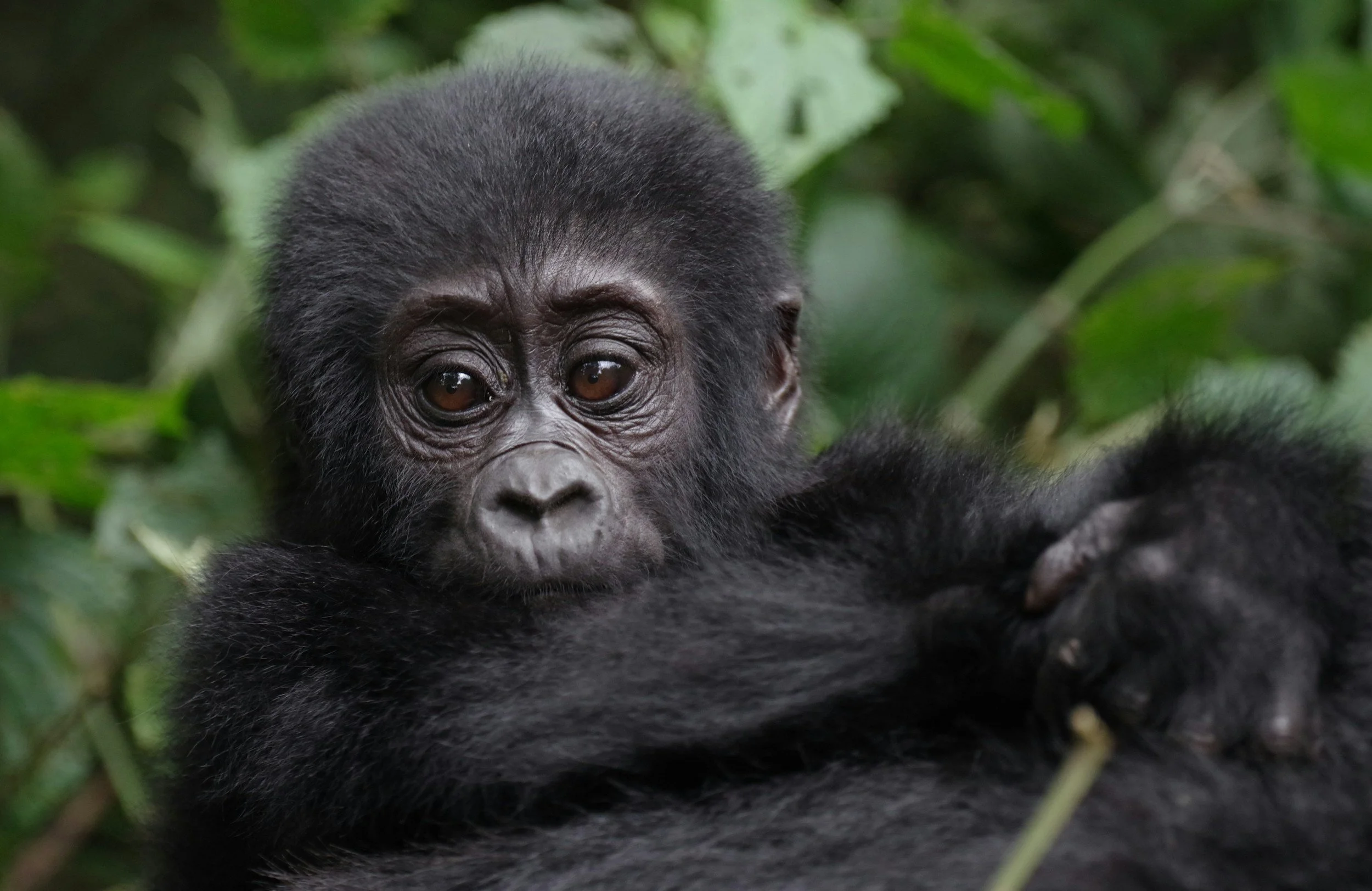
Rwanda is one of Africa's most compelling luxury destinations, and it offers something no classic safari can. In the misty Volcanoes National Park you trek on foot to spend an hour with a family of mountain gorillas, one of the most moving wildlife encounters on earth, while the forests of Nyungwe in the south hold chimpanzees and a wealth of birdlife. The country is compact, beautifully run and increasingly home to exceptional lodges, which makes it ideal for travellers seeking a profound, conservation-led experience, and it pairs wonderfully with a traditional East African safari.
For particular passions, we also design journeys to Zambia, the home of the walking safari, to Zimbabwe for outstanding guiding and Victoria Falls, and to Uganda for the unforgettable experience of tracking mountain gorillas on foot and chimpanzees.
When is the best time to go on safari?
The honest answer depends on where you go, because East Africa and Southern Africa run on different rhythms.
In East Africa, Tanzania and Kenya, the dry months from around June to October are the classic time, when vegetation thins and wildlife gathers at water. This is also when the Great Migration's dramatic Mara River crossings usually take place. The migration itself is a year-round movement of around two million wildebeest and zebra, so timing is really about place: the herds calve in the southern Serengeti around January and February, then move north through the middle of the year. These are natural patterns rather than a timetable, and they shift with the rains, so we plan around the most current intelligence for your dates.
In Southern Africa, South Africa, Botswana, Namibia, Zambia and Zimbabwe, the dry winter from around May to October is the prime game-viewing season, when animals concentrate around shrinking water sources. The green season from November to April brings lush landscapes, newborn animals, wonderful birdlife and far fewer visitors, and it often represents better value, though some remote camps close. In the Okavango Delta there is a particular nuance worth knowing: the floodwaters usually peak between June and August, which is when the water-based experiences are at their finest.
Rwanda can be visited throughout the year, as gorilla trekking continues in every season. The drier months, from June to September and again from December to February, are the most comfortable for trekking, when the forest trails are firmer and the going is easier underfoot. The wetter months bring lush green slopes and lower visitor numbers, and the gorillas often move to lower altitudes, though you should be prepared for muddy paths and rain at any time of year given the mountain setting.
Which African safari is right for you?
If this is your first safari, we usually point you to Tanzania and Kenya for the scale and drama, or to South Africa for the ease and the malaria-free options.
If you are travelling as a family, Kenya's private conservancies and South Africa's malaria-free reserves are the gentlest and most flexible, with the right camps, age policies and pacing for children.
If it is a honeymoon or a milestone, Botswana's exclusivity is hard to better, and a safari pairs beautifully with an Indian Ocean island to follow.
If you are a returning safari-goer wanting something deeper, Botswana, Zambia and Namibia reward you with walking, canoeing, remoteness and landscape.
And if your heart is set on a particular encounter, the migration in Tanzania and Kenya, the gorillas in Rwanda and Uganda, the desert wildlife of Namibia, we build the whole journey around that one experience.
What kind of safari journeys do we design?
Most of our safaris take one of a few shapes. Classic first safaris built around the headline regions and an exceptional guide. Migration journeys timed and placed for the calving or the crossings. Family safaris where the camps and the pacing are chosen around the children. Honeymoons that pair the thrill of the bush with somewhere quiet to follow. And longer journeys that combine a safari with an Indian Ocean beach, giving you the adventure first and the rest afterwards.
Where to stay on safari
We have visited many of Africa's finest camps and lodges ourselves over the years, and we draw too on trusted partners and the candid feedback of our own clients. Our relationships span the great safari names, from Singita and Wilderness to Great Plains, &Beyond, Auberge and the Four Seasons Safari Collection. These are some of the properties we know and love, with a note on the kind of traveller each suits best.
Tanzania
Singita Sasakwa Lodge suits multigenerational families and travellers who want old-world elegance alongside exceptional wildlife.
Singita Faru Faru Lodge is for sophisticated travellers who prefer contemporary design and front-row access to the Great Migration.
Ngorongoro Crater Lodge is for romantics and first-time safari-goers drawn to one of Africa's most iconic settings.
Grumeti Serengeti River Lodge offers a beautifully luxurious migration experience.
Klein's Camp suits experienced enthusiasts wanting exclusivity and a private concession.
Four Seasons Safari Lodge Serengeti is ideal for families and first-timers who want familiar luxury in a spectacular setting.
The Highlands at Ngorongoro is for adventurous travellers seeking an alternative to the traditional lodge.
Laba Grumeti Art Lodge is a contemporary Serengeti retreat where art, design and wildlife come together.
Kenya
Giraffe Manor, the historic Nairobi house where endangered Nubian giraffes lean through the windows at breakfast, is the perfect way to begin or end a Kenya journey, and a favourite with families and honeymooners.
Mara Plains Camp is exceptional for couples and first-timers who want some of East Africa's finest guiding.
Mara Nyika Camp suits adventurous families wanting exclusivity in the Naboisho Conservancy.
ol Donyo Lodge is for active travellers drawn to horse riding, walking safaris and authentic conservation.
Bateleur Camp is a refined, classic camp perfect for honeymooners and celebratory journeys.
Mahali Mzuri suits couples and migration enthusiasts who want something stylish and intimate.
South Africa
Singita Lebombo Lodge is for design-conscious couples and first-time safari-goers seeking a refined Kruger experience.
Singita Sweni Lodge is a secluded retreat for honeymooners and returning guests who want tranquillity and intimacy.
Ngala Tented Camp is one of our favourites for couples wanting an intimate Big Five safari.
Londolozi is legendary for some of the finest leopard viewing in South Africa, with Granite Camp as its most exclusive, private option, lovely for couples.
Cheetah Plains is the modern ultra-luxury benchmark, renowned for pioneering the private exclusive-use villa concept with impeccable service, ideal for families or groups taking a whole villa.
Lion Sands Ivory Lodge is one of the most ultra-luxurious Sabi Sand lodges, contemporary and intimate, while its River Lodge is well suited to multigenerational family getaways.
Sabi Sabi Earth Lodge is architecturally iconic, with generously sized suites and secluded plunge pools, a favourite for couples celebrating a special occasion.
Botswana
Zarafa Camp is one of Botswana's most exclusive camps, suited to seasoned travellers who value privacy and exceptional service.
Duba Plains Camp is perfect for photographers and wildlife enthusiasts seeking extraordinary predator encounters.
Mombo Camp, often regarded as one of Africa's finest, is for passionate wildlife lovers.
Vumbura Plains suits couples and families wanting both land and water-based safari.
Namibia
Little Kulala is the perfect base for exploring Sossusvlei in style.
Hoanib Skeleton Coast Camp is designed for adventurous travellers drawn to dramatic, remote landscapes.
Sossusvlei Desert Lodge is extraordinary for desert adventures, stargazing and architectural beauty.
Rwanda
Singita Kwitonda Lodge is the ultimate choice for discerning travellers undertaking a gorilla trek in uncompromising comfort.
Bisate Lodge is a spectacular option for environmentally conscious travellers combining gorilla trekking with genuine sustainability.
One&Only Gorilla's Nest brings five-star luxury to the foot of the Virunga volcanoes, with treehouse-style rooms and effortless access to the park.
Virunga Lodge, run by the pioneering Volcanoes Safaris, sits on a hilltop with panoramic views over the volcanoes and the twin lakes of Ruhondo and Bulera, for travellers who value heritage, the view and a lighter footprint.
One&Only Nyungwe House offers something different again. Set on a working tea estate at the edge of the ancient Nyungwe Forest, it is the place for chimpanzee trekking, canopy walks and forest birding, and it pairs beautifully with the gorillas in the north for a complete Rwandan journey.
Your journey starts with a conversation
Tell us what you are hoping for, whether that is a first safari built around the Serengeti, a family trip through Kenya's conservancies, or a honeymoon that ends on a beach. We will listen, ask the right questions, and design something built entirely around you.
FAQ
Which African country is best for a first safari? Tanzania and South Africa are the two we recommend most often for a first safari. Tanzania offers the scale and drama of the Serengeti, while South Africa is the easiest to reach, has malaria-free reserves and combines naturally with Cape Town. The right choice depends on whether you want grandeur or ease.
When is the best time to go on an African safari? In East Africa, June to October is the classic dry season, and it overlaps with the Great Migration's river crossings. In Southern Africa, the dry winter from May to October is prime for game viewing. The green season has its own rewards, with lush scenery and fewer visitors. We plan around the conditions for your exact dates.
Is an African safari suitable for families with young children? Yes, with the right planning. Kenya's and Tanzania’s private conservancies are very family-friendly, and South Africa has excellent malaria-free reserves, which many parents prefer for young children. Some camps have minimum age policies, so we match the camps and the pacing to your children's ages.
Can I combine a safari with a beach holiday? Yes, and it is one of the journeys we design most often. A safari in East or Southern Africa pairs naturally with an Indian Ocean island such as the Maldives, Mauritius or the Seychelles, giving you the adventure first and the rest afterwards.