

Celebrations and Milestone Journeys
A sixtieth birthday. A fortieth wedding anniversary. Three generations in one place for the first time in a decade. These journeys carry a weight that ordinary holidays do not, because the trip is not the point. The occasion is.
That changes how we plan. Group size becomes a design constraint rather than a detail. Dates are usually fixed by the occasion rather than by the season. And there is almost always one evening, one lunch, one arrival that has to work, with everything else arranged around it.
We plan roughly forty to fifty of these a year, most of them for parties of eight to twenty.
What counts as a milestone journey?
Anything the traveller decides is worth marking. In practice, most of what we plan falls into a few groups.
Milestone birthdays, most often fiftieth, sixtieth and seventieth, and increasingly fortieth. Significant wedding anniversaries, particularly the twenty-fifth, fortieth and fiftieth. Vow renewals, which are usually quieter and shorter than the wedding they refer back to. Retirements, often the first trip taken without a fixed return date in mind. Graduations, and the gap between school and university. Proposals. And journeys taken to mark a recovery, a loss, or the end of a difficult period, which need a lighter touch than any of the above.
If your occasion is not on that list, it simply means we have not written it down yet.
Why does exclusive use come up so often?
Because a group of twelve staying in twelve rooms at a hotel is still twelve guests in a hotel. The same group taking a house has the run of the place: dinner when they want it, the pool to themselves, and no negotiation with other guests over the one good table on the terrace.
Exclusive use also removes the largest practical risk in group travel, which is that the group fragments. When everyone shares a kitchen, a fire pit and a chef, they tend to stay together.
The properties below are ones to consider. There are many more, and the right one depends on the group.
Singita Castleton, Sabi Sand, South Africa. A stone homestead and six en-suite cottages taken as one, for up to twelve guests, with a private guide, chef and host. Suits a group that wants a safari but also wants long lunches, a wine cellar and a tennis court between game drives.
Tarkuni, Tswalu Kalahari, South Africa. Five suites under one roof for up to ten, in a malaria-free reserve with a private vehicle, guide and tracker. Our first suggestion for multigenerational groups where the youngest travellers are still small.
Villa 20, Amanzoe, Peloponnese, Greece. Nine bedrooms for eighteen guests, with a private spa and gym and access to a dedicated pavilion at the beach club. Two hours from Athens by road, less by helicopter, which makes it workable when guests are arriving from several countries on different days.
Ithaafushi, The Private Island, Maldives. A two-bedroom overwater villa, a three-bedroom beach villa and a four-bedroom residence taken together as one island, with the main resort a short boat ride away. Suits a group that wants complete separation without giving up eleven restaurants.
Reschio, Umbria, Italy. A castello of thirty-six rooms and suites on a 1,500-hectare estate, with restored farmhouses across the land. Full buyout of the castello is possible outside peak weeks; the estate houses rent year-round, including through the winter break when the hotel itself is closed.
Airelles Château de Versailles, Le Grand Contrôle, France. Fifteen rooms and suites in the only hotel inside the grounds of Versailles, with private access to the palace after it closes to the public. Small enough that a party of twenty-five takes the whole building, and the single strongest option we know for a birthday that needs an evening no one will forget.
How far ahead should we plan?
For a full buyout in high season, eighteen months is not early. Twelve months is comfortable. Six months is possible but narrows the field considerably, and the properties that go first are the small ones, which are also the ones best suited to celebrations.
Two dates matter more than the rest. School holidays, if any part of the group has children, and the occasion itself, if it falls in July, August or over New Year.
Where the date is immovable and the property is not available, we would rather propose a different property than a compromised version of the first one.
What about the celebration itself?
We plan the occasion as carefully as the travel around it. In practice that means a private dinner in a setting the group would not otherwise have access to, a chef briefed on what the guest of honour actually likes rather than what is impressive, and a running order agreed with whoever is making the speech.
We also plan what happens the following morning, which is more important than it sounds. A group that has been up until two does not want a six o'clock departure.
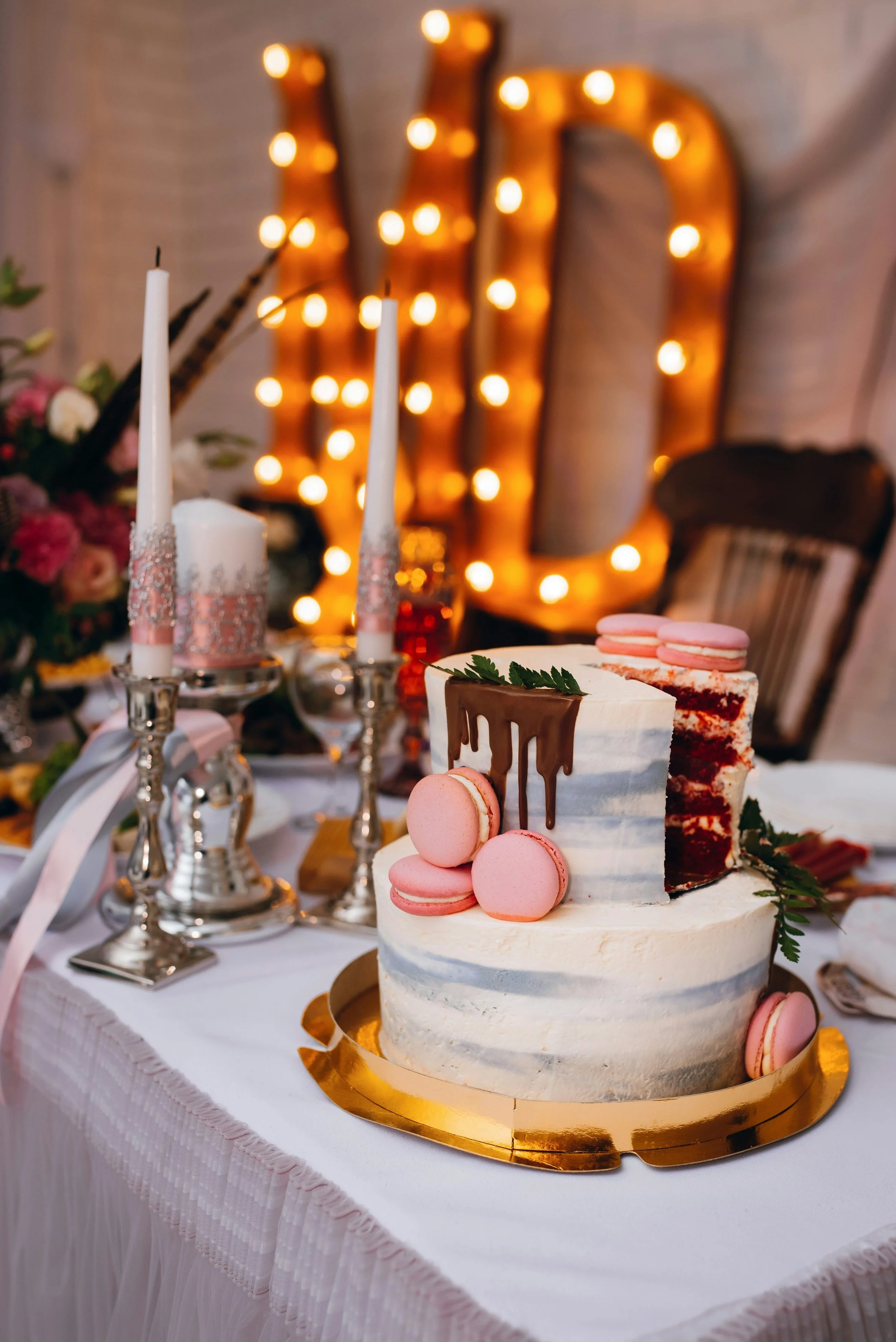
Photography, music, flowers and cake are all arranged locally and specified in the proposal, with costs shown separately so they can be adjusted.
How do you handle a group where everyone wants something different?
By accepting that they do, and building the day accordingly. A fixed group activity every day is the fastest way to exhaust people. Two shared meals and one shared experience a day is usually right, with the rest optional.
We ask for one point of contact within the group, and we route all decisions through that person. Planning by group email does not work.
Where the group spans four decades of age, we build parallel options: a walk and a boat for the same afternoon, leaving from the same place at the same time.
What does a celebration journey cost?
Exclusive-use properties are priced per property per night rather than per person, which means the cost per traveller falls sharply as the group grows. A villa that is expensive for eight is often reasonable for sixteen.
The variables that move the total most are the season, the size of the group, and whether private aviation is involved. We show these separately in every proposal, so that you can see what changes if the group grows by four or the dates shift by a week.
We do not mark up on a fixed percentage across every element, and we will tell you when something is not worth what it costs.
Start a conversation
Tell us the occasion, the date, roughly how many people and whether the group has travelled together before. That last answer changes our recommendation more than the first three.
We will come back with two or three directions rather than a finished itinerary, because the first conversation is about finding the right shape.
Frequently asked questions
Can you plan a wedding? We plan celebrations, vow renewals and small legal ceremonies abroad. Full wedding production, with a large guest list and a multi-day programme, is a different discipline and we will say so rather than take it on.
Is a buyout always the right answer? No. For groups under eight, a set of connecting suites at a good hotel is often better value and less work, and the group still gets private dining. Buyouts start to make sense at around ten travellers.
Can you keep the destination a surprise? Yes, and we do it regularly. We work with one person who knows, handle documents and visas discreetly, and prepare a packing brief that gives away climate but not location.
What if part of the group cancels? Exclusive-use rates are property rates, so a smaller group does not reduce the cost. We flag the cancellation terms clearly at the point of booking and can advise on insurance that covers a named traveller withdrawing.
Do you work with clients outside Greece? Many of our clients are based in the United States, Canada, the United Kingdom and Western Europe. We plan journeys worldwide.
We have a date but no idea where to go. That is a good place to start. The date, the group and the occasion narrow the world faster than most people expect.