
Central America & the Caribbean
These two regions sit beside each other and ask for entirely different things. Central America is an active destination — rainforest, volcanoes, wildlife, rivers — where the lodge is a base rather than the point. The Caribbean is the opposite: the hotel is the holiday, and choosing the wrong island matters more than almost any other decision. We design private journeys across both, and the combination of the two in a single trip is one of the most satisfying itineraries we build.
Is it worth using a travel designer here?
For the Caribbean, the honest answer is that the value lies almost entirely in matching you to the right island and the right property. The islands are far less alike than the brochures suggest — St Barths and Antigua have almost nothing in common beyond the sea — and a resort that is perfect for one couple is a long week for another. Getting this right is the whole job, and it is difficult to do from photographs.
For Central America, the value is in guiding and logistics. Costa Rica in particular is a country where an excellent naturalist guide transforms the experience, and where the distances between the volcano, the cloud forest and the coast are longer and slower than they appear. The lodges worth staying in are small and book out well ahead.
There is also the matter of timing, which in this part of the world is not a preference but a constraint. Hurricane season is real, and we plan around it.
Where should you go?
Costa Rica is the most complete destination in Central America and the easiest introduction to the tropics. The classic route takes in Arenal for the volcano and hot springs, Monteverde or the cloud forest, and one of the two coasts. Beyond that, the Osa Peninsula holds the country's densest wildlife, and the Pacuare River in the interior is where the best of the rainforest lodges sits. It suits families, first-time visitors and anyone who wants activity rather than a lounger.
Panama is the quieter alternative, with the canal, the restored old quarter of Panama City, the indigenous Guna culture of the San Blas islands and the archipelago of Bocas del Toro. It works well for travellers who have already done Costa Rica.
Belize puts the second-largest barrier reef in the world alongside Mayan sites and jungle in a country small enough to cross in a morning. The standard journey pairs a few days inland with a few days on a caye or a private island. It is also the only English-speaking country in Central America, which some clients find makes it noticeably easier.
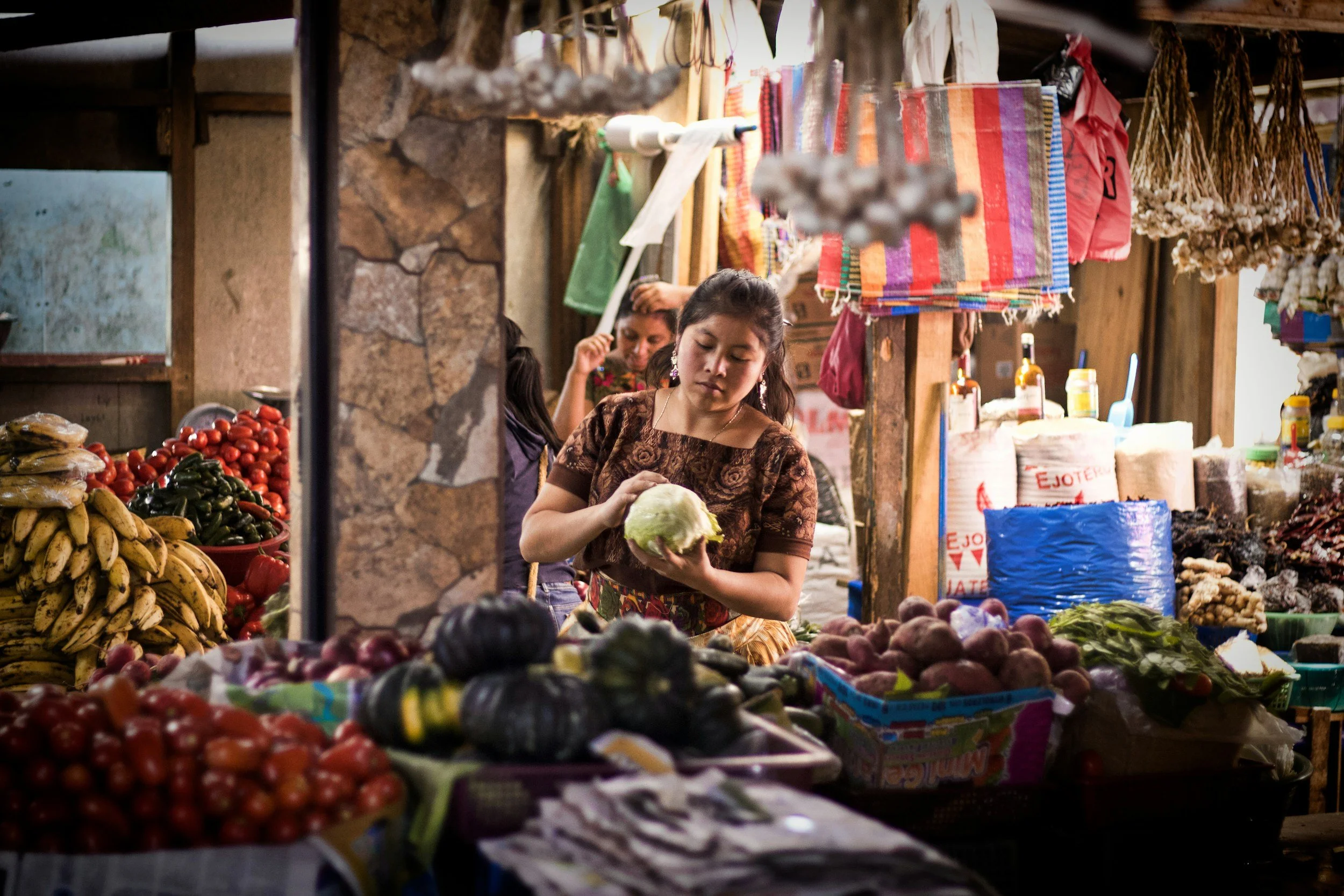
Guatemala holds the region's finest colonial city at Antigua and its most beautiful landscape at Lake Atitlán, along with Tikal. It is the cultural counterweight to Costa Rica's wildlife.
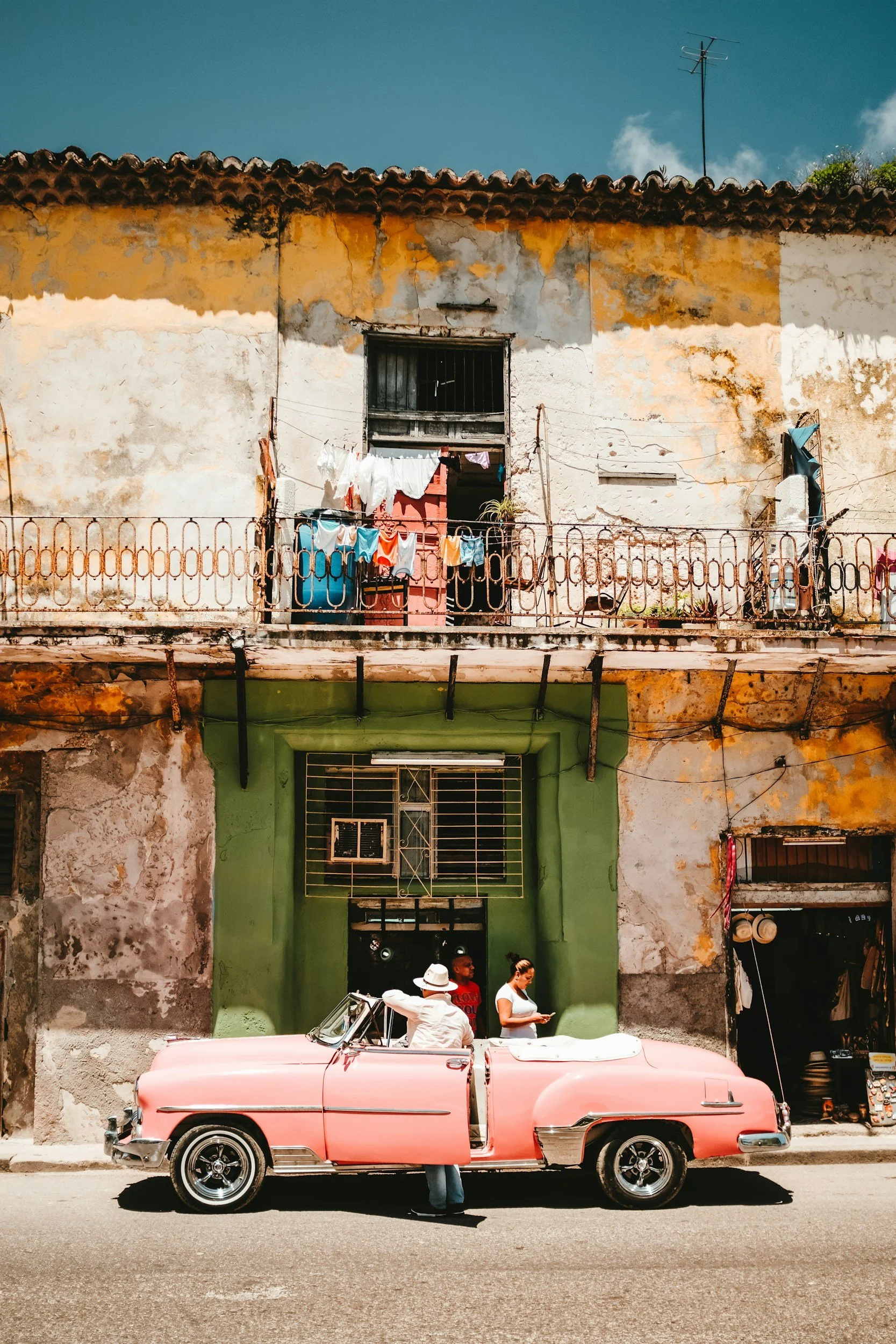
Cuba is unlike anywhere else in the Caribbean and rewards travellers who go for the culture, the architecture and the music rather than the beach. We are direct with clients about the practical realities, which we set out in the questions below.
In the Caribbean, the islands divide roughly as follows. St Barths is the most stylish and the most French, with the best restaurants and the highest prices. Anguilla has the finest beaches in the region and a quieter, more residential feel. Turks and Caicos offers the clearest water and the strongest properties for families. Antigua and Nevis are more traditional and more sociable. St Lucia is the most dramatic scenically, with the Pitons. The British Virgin Islands and the Grenadines are for people who want a boat as much as a room. Jamaica and Barbados have the longest-established houses and the strongest sense of place. And the Dominican Republic offers the most space and the best value at the top end.
When is the best time to travel?
This is the part of the world where the calendar does most of the deciding.
The Caribbean high season runs from mid-December to mid-April: dry, warm, reliable, and expensive. Christmas, New Year and February book out a year ahead at the properties worth having.
Hurricane season runs officially from 1 June to 30 November, with the genuine risk concentrated between mid-August and mid-October. A number of Caribbean hotels close entirely for part of September and October, and we would not plan a once-in-a-lifetime trip into that window.
The window we recommend most often is late April to early June. The weather is still dry, the crowds have gone, the rates fall substantially and the hurricane risk is minimal. It is the best value in the Caribbean calendar by some margin.
Costa Rica has two coasts with opposing patterns, which catches people out. The Pacific side is dry from December to April and wet from May to November. The Caribbean side runs almost in reverse, with September and October among its driest and most settled months. The so-called green season from May to November brings afternoon rain rather than all-day rain, along with lower rates, far fewer people and a landscape at its most spectacular.
Belize is at its driest from February to May, which is also when whale sharks gather off the southern reef.
Panama follows the Pacific pattern, with the dry season from December to April.
Which journey is right for you?
If this is your first time in the region, Costa Rica for an active trip, or Turks and Caicos or Anguilla for a restful one.
If you are travelling as a family, Costa Rica and Belize are the strongest in Central America, and Turks and Caicos, Nevis and the Bahamas in the Caribbean, all of which have properties that genuinely accommodate children rather than tolerating them.
If it is a honeymoon or a milestone, St Barths, Anguilla and St Lucia are the settings we return to most, and a private island is worth considering for a significant anniversary.
If you want adventure and beach in the same journey, this is the region's particular strength. Costa Rica or Belize followed by a week on an island is among the most satisfying two-week itineraries we design.
If you are a returning traveller, Panama, Guatemala, the Grenadines and Dominica are where we would send you next.
What kind of journeys do we design?
Rainforest-and-reef journeys through Costa Rica or Belize, ending on the coast. Single-island Caribbean weeks, which is how most people travel here and rightly so. Two-island journeys, usually pairing a livelier island with a quieter one. Private island stays for celebrations and family gatherings. Sailing-based journeys through the British Virgin Islands and the Grenadines. And wildlife journeys built around turtles, whale sharks, quetzals or the Osa Peninsula.
Where to stay
The Caribbean has more genuinely excellent hotels per square mile than anywhere except Europe, and more mediocre ones dressed as excellent than anywhere at all. Central America's best properties are smaller, more owner-driven and more conservation-minded. These are the ones we know, with a note on the traveller each tends to suit.
Costa Rica
Pacuare Lodge has twenty suites above the Pacuare River within a protected reserve, reached by white-water raft, with no electricity in the rooms. It is the most romantic lodge in the country and one of the most memorable arrivals anywhere. Nayara Springs, at Arenal, is adults-only, with private plunge pools fed by mineral hot springs and Relais & Châteaux dining. Nayara Gardens alongside it takes families, and Nayara Tented Camp adds clifftop tents facing the volcano. Hacienda AltaGracia, an Auberge Resorts property in the southern highlands, combines riding, wellness and the country's best inland setting. Nekajui, a Ritz-Carlton Reserve, on the Peninsula Papagayo, is the newest arrival at the top of the market and the strongest Pacific-coast base. Kurà Design Villas, above Uvita, is small, adults-only and the best of the design-led boutique properties.
Panama and Belize
Nayara Bocas del Toro is an adults-only private island off Panama's Caribbean coast, entirely off-grid, with overwater villas and bamboo treehouses. Blancaneaux Lodge, in Belize's Mountain Pine Ridge, is Francis Ford Coppola's twenty-villa retreat among waterfalls and Mayan sites. Cayo Espanto, three miles off the Belizean coast, has seven butler-serviced villas on a private island, each with its own stretch of sand. Naia Resort & Spa, on the Placencia peninsula, is the wellness-led option on the mainland coast.
St Barths and Anguilla
Cheval Blanc St-Barth Isle de France, on Flamands Beach, is the only Caribbean hotel to hold three MICHELIN Keys and the only one in the region with a French Ministry of Tourism Palace classification. It is the most polished address in the Caribbean. Rosewood Le Guanahani St Barth occupies its own peninsula with sixty-six cottages and two beaches, one for swimming and one for snorkelling, and is the strongest choice on the island for families. Eden Rock St Barths is the most social and the most seen, on St Jean Bay. Le Barthélemy, on Grand Cul-de-Sac lagoon, is the quietest of the four. Belmond Cap Juluca, on Anguilla's Maundays Bay, has arguably the finest beach in the Caribbean, with a Guerlain spa following its 2018 transformation. Four Seasons Resort and Residences Anguilla is the larger, more facility-rich alternative.
Turks and Caicos, Antigua and Nevis
Amanyara, on Providenciales, sits alone on the island's north-west coast beside a marine reserve, and is the most private property in the region. COMO Parrot Cay occupies its own island with a serious wellness programme. Jumby Bay Island, off Antigua, is a private island of villas and rooms, taken over entirely for celebrations more often than any other property we work with. Four Seasons Resort Nevis remains the most reliable family resort in the eastern Caribbean, beneath Nevis Peak.
The wider islands
Jade Mountain, St Lucia, has open-fourth-wall sanctuaries facing the Pitons, and is the most extraordinary room design in the Caribbean. Its sister Anse Chastanet sits below it and suits families. Rosewood Little Dix Bay, on Virgin Gorda, is low-density, softly done and the calmest address in the British Virgin Islands. Round Hill Hotel and Villas, Jamaica, has been the island's most elegant address since 1953, with interiors by Ralph Lauren. The Ocean Club, A Four Seasons Resort, on Paradise Island in the Bahamas, holds the best position in the country. Silversands Grand Anse, Grenada, is the contemporary design choice in the southern Caribbean. Amanera, on the Dominican Republic's north coast, overlooks Playa Grande and is the quietest luxury property on the island. Canouan Estate, in the Grenadines, is the natural base for a sailing-led journey.
Your journey starts with a conversation
Tell us what you are hoping for, whether that is Costa Rica with children, a week on a beach where nothing at all is required of you, Belize's reef and Mayan sites in one journey, or a private island for a family gathering. We will listen, ask the right questions, and design something built entirely around you.
FAQ
When should we avoid the Caribbean? Mid-August to mid-October, when hurricane risk is at its highest and a number of hotels close. The best combination of weather, value and quiet is late April to early June, which we recommend more often than any other window.
Which Caribbean island should we choose? It depends far more on temperament than on geography. St Barths for style and restaurants; Anguilla for beaches and quiet; Turks and Caicos for water clarity and families; St Lucia for scenery; Nevis and Antigua for a more traditional, sociable feel; the Grenadines and BVI if you want to be on a boat. Tell us how you like to spend a day and we will narrow it quickly.
Can we combine Central America with an island? Yes, and it is the region's greatest strength. Ten days split between Costa Rica or Belize and a Caribbean island gives you wildlife, activity and complete rest in one trip, and the flights are short.
Is Costa Rica good for families? Among the best destinations in the world for it. Short activities, extraordinary wildlife visible without long drives, lodges built around families, and no significant health or safety concerns. We would suggest ten to fourteen days and no more than three bases.
What should we know about travelling to Cuba? More than most destinations, and we would rather set it out plainly. The US State Department rates Cuba at Level 2, the same as most of Western Europe, and the UK and Canadian governments permit travel with standard precautions. For British and European travellers, it is straightforward. For US citizens, it is not: American law prohibits travel to Cuba for tourism, and every trip must fall under one of twelve authorised categories, with restrictions on which hotels may be used and no US-issued bank cards working on the island. Separately, Cuba is experiencing significant electricity shortages, with scheduled outages outside Havana and some tourism facilities closed. Cuba remains genuinely rewarding for the right traveller, and we will give you an honest current picture before you commit rather than after.
How far ahead should we book? For Christmas, New Year or February in the Caribbean, twelve months. The private islands and the smaller properties go earliest. For the shoulder months, three to six months is generally sufficient.