

City Breaks
Three or four nights in a city you already half know. A hotel in the right part of town, a table booked where booking is difficult, a guide who is worth listening to, and enough unplanned time to follow whatever you find.
Short journeys are easier to get wrong than long ones. There is no slack in the schedule to recover from a hotel in the wrong neighbourhood or a Tuesday spent at a museum that closes on Tuesdays.
Most of our city breaks are London, Paris, Rome and New York. We also plan Tokyo, Madrid, Venice, Vienna, Copenhagen, Istanbul, Marrakech and Athens regularly. If your city is not on that list, it simply means we have not written it down yet.
What makes a short city journey work?
Location, then pace. In a three-night trip, twenty minutes of traffic in each direction is a meaningful share of the time you have. We would rather put you in a smaller room in the right district than a larger one twenty-five minutes out.
On pace, our rule of thumb is two fixed commitments a day, one in the morning and one in the evening, with the afternoon left open. Most people who return from a city break tired have been sold a schedule rather than a journey.
We also check the practical details that ruin days: closing days, national holidays, exhibitions that end the week before you arrive, and whichever square is currently under scaffolding.
Where do we put people?
The hotels below are ones we book often. They are illustrative rather than a complete list, and the right choice depends on how you want to spend the days.
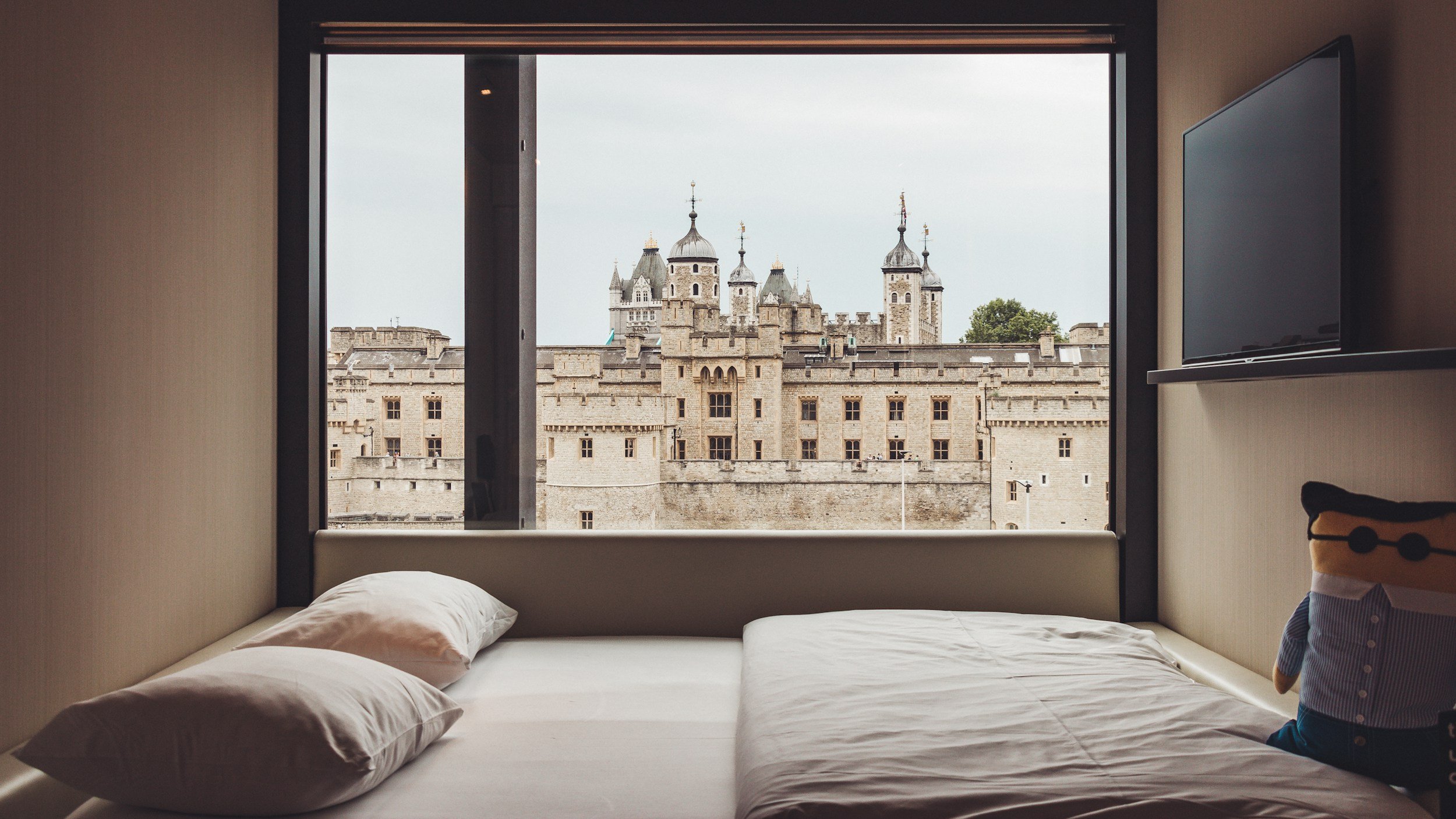
Claridge's, Mayfair, London. Service is the reason to be here, and the reason people return for decades. Suits travellers who want Mayfair, Bond Street and the Royal Academy within walking distance, and who value being recognised on arrival.
The Chancery Rosewood, London. Opened in September 2025 in the former American Embassy on Grosvenor Square, with 144 suites, eight restaurants and bars, and a large spa. The scale is greater than the older Mayfair hotels, which suits some travellers and not others; go here for space, design and the current energy of the city rather than for quiet.
Cheval Blanc Paris. Seventy-two rooms and suites in the La Samaritaine building on the quai du Louvre, with a Dior spa, an indoor pool and Plénitude on the first floor. Suits a first or second visit to Paris, with the Louvre, the Marais and Saint-Germain all reachable on foot.
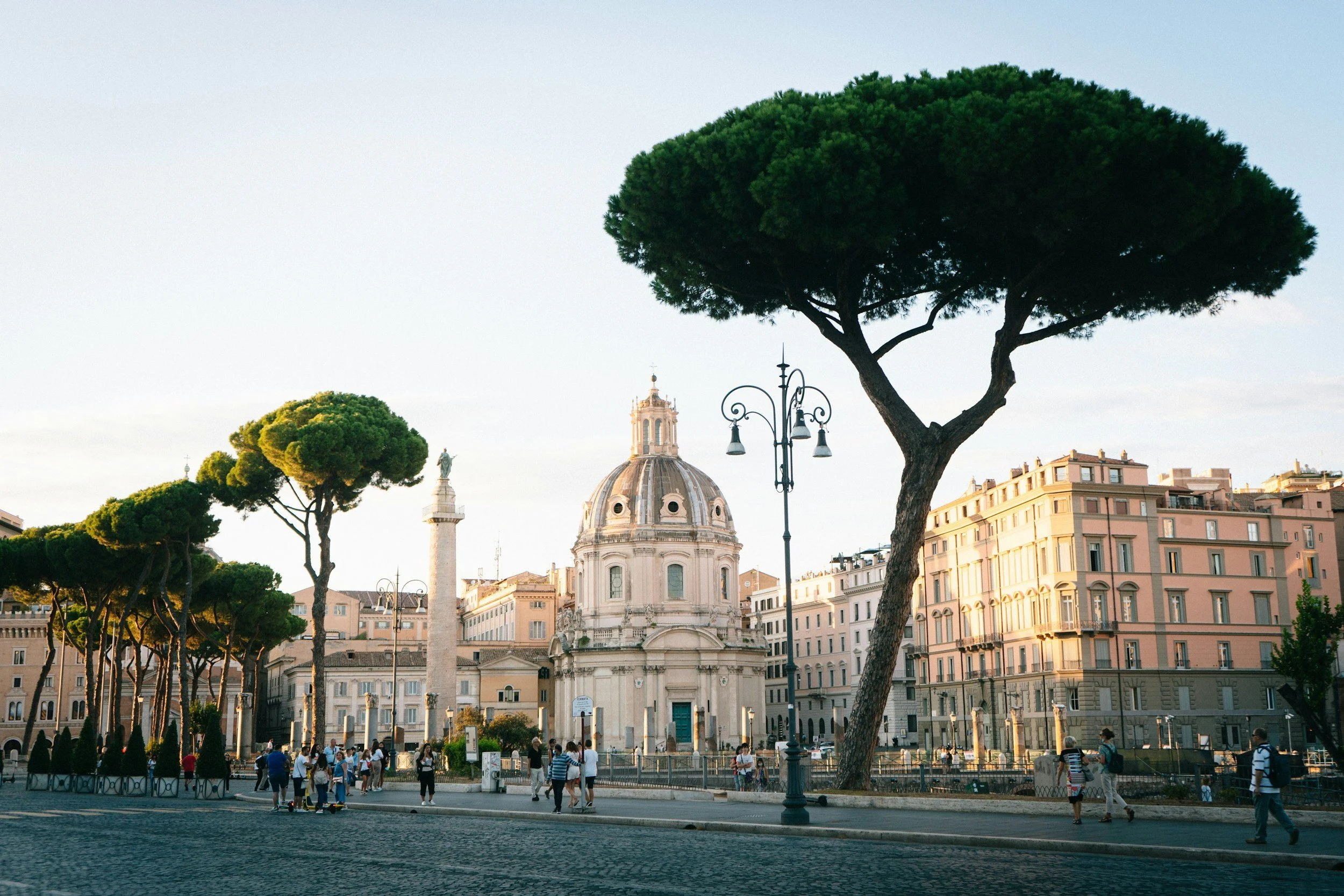
Orient Express La Minerva, Rome. A restored seventeenth-century palazzo on Piazza della Minerva, immediately behind the Pantheon, opened in April 2025, with a rooftop restaurant looking across the centro storico. Suits travellers who want to walk everywhere and return to the hotel in the middle of the day.
The Mark, Upper East Side, New York. The right base if your New York is the Met, the Frick, Central Park and Madison Avenue rather than downtown. Suits repeat visitors and families more than first-timers set on the Village and the High Line.
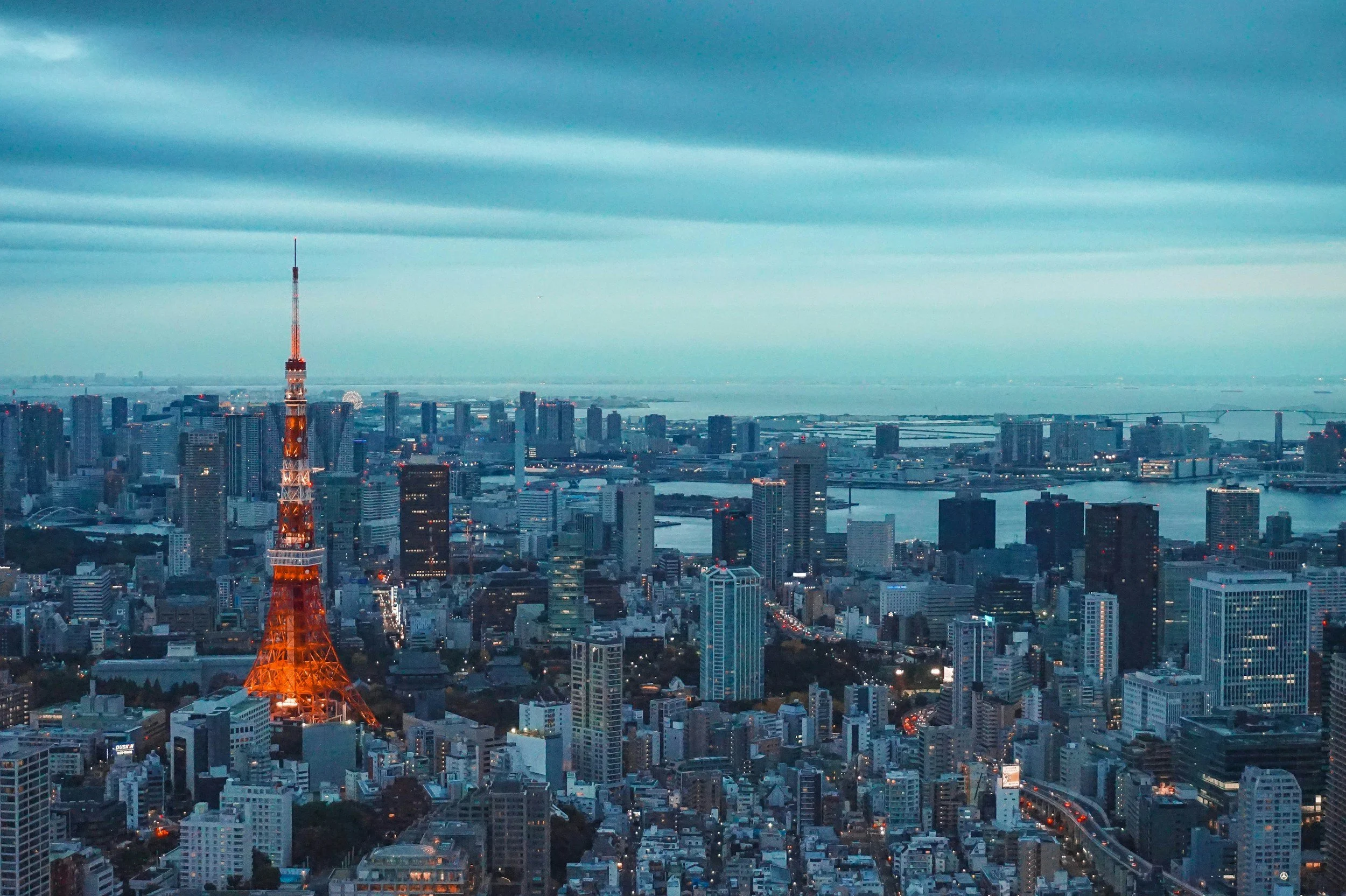
Aman Tokyo. Occupies the upper floors of a tower in Otemachi, with rooms that are large by Tokyo standards and a quietness that matters after a long flight. Suits a first visit to Japan, particularly as a short stop at the start or end of a longer journey.
What access can be arranged, and what cannot?
A good deal, and it is worth being clear about which is which.
Regularly arranged: private guides who are academics or specialists rather than generalists, early or after-hours entry where an institution offers it, private views at galleries and dealers, studio and atelier visits, tables at restaurants that are difficult to book, and access to collections and houses not open to the general public.
Not arranged: a museum that does not open outside its hours will not open for anyone, some restaurants genuinely do not hold tables, and a few cultural institutions have ended private access programmes altogether. Where something is not possible, we say so at the proposal stage rather than at the point of failure.
The most valuable access is often the least dramatic. A conservator who will spend an hour with you in a workshop is usually a better morning than a closed-door tour of somewhere you have already seen.
How long, and what should it be paired with?
Three nights is the standard. Four for New York and Tokyo, where the flight makes a shorter stay poor value.
Two cities in one journey works well where the rail connection is good: London and Paris, Rome and Florence, Madrid and Seville. It works less well where it means a second airport.
City and coast is the pairing we plan most from Greece: two or three nights in Athens with the Acropolis Museum, the Benaki and the food, then a week in the Cyclades or the Peloponnese. City and countryside also works, with Rome into Umbria or Paris into Champagne or Burgundy.
When should you go?
Rome and Paris in August are hot, and a proportion of the good restaurants close for staff holidays. We will plan it if the dates are fixed, but we will tell you what you are giving up. April, May, September and October are better in both.
Rome in January and February is mild, and considerably quieter, and this is our preferred time for anyone whose priority is the museums and churches rather than the terraces.
New York is humid from July into early September. Late September to early December is the strongest window, and January and February bring cold weather along with the best rates of the year.
London works year-round. Weather is least reliable from November to February, and December is busy for shopping and theatre rather than restful.
Tokyo has two peak periods, the cherry blossom in late March and early April and the autumn colour in November, and both are crowded and expensive. June is the rainy season, and August is hot and humid.
Start a conversation
Tell us the city, the dates, and whether you have been before. If you have, tell us what you did last time, because the second visit should not repeat the first.
We will come back with a hotel recommendation and a sense of shape rather than a full itinerary, since the detail is worth settling once the base is right.
Frequently asked questions
Is a three-night trip too short to be worth planning professionally? It is the length where planning makes the largest proportional difference, because there is no time to correct a bad decision. The work is mostly in the hotel choice, the reservations and the sequencing.
We have been to Paris several times. What would you do differently? Change the district, change the subject, or both. A fourth visit built around a single interest, whether that is twentieth-century design, a particular collection, or the wine trade, is usually more rewarding than another pass through the landmarks.
Can you plan for someone travelling alone? Yes, and a meaningful share of our city bookings are single travellers. Restaurant choice and guiding matter more than usual, and we plan accordingly.
Can a city break be combined with Greece? It is one of the things we do most. Athens connects directly to most European capitals, which makes a city and island journey straightforward to build.
Do you work with travellers based outside Greece? Most of our clients are in the United States, Canada, the United Kingdom and Western Europe. We plan journeys worldwide.
What if mobility or access is a consideration? Tell us early. It changes the hotel recommendation, the guiding and the routing through a city, and it is far easier to plan around from the start than to adjust later.