
East & Southeast Asia
This is the part of Asia that most often becomes a lifelong habit. We design private, tailor-made journeys through Japan, China, South Korea, Thailand, Vietnam, Cambodia, Laos, Indonesia and Borneo, from ryokan and rail journeys in Japan to the temples of Angkor, the karst bays of northern Vietnam and the reefs of eastern Indonesia. The countries are close enough to combine and different enough to be worth combining properly.
Is it worth using a travel designer here?
Yes, and for reasons particular to this region. Access and pacing matter more here than almost anywhere. The difference between a good trip and a memorable one is usually a guide who can get you into a temple before the gates open to everyone else, a ryokan booked eleven months ahead, a private boat rather than a shared one, or simply the decision to spend four nights in one place rather than two nights in two.
There is also a practical dimension. Distances are longer than they look, internal flights are frequent, and the region runs on weather systems that contradict each other in the same month. Central Vietnam and northern Thailand are not having the same February. Sequencing a journey correctly is not a matter of taste.
Where should you go?
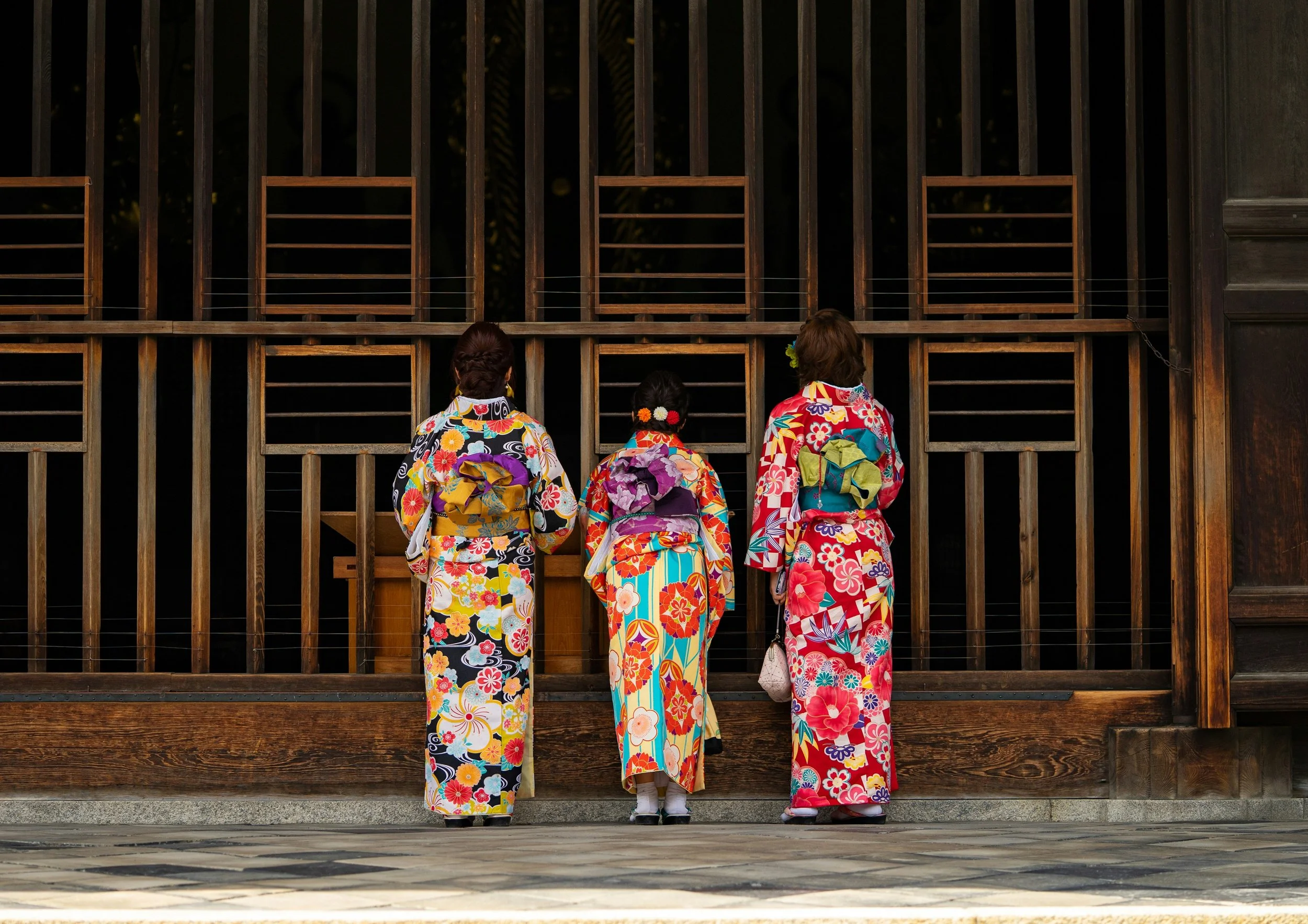
Japan is the most complete country in Asia for a first journey. Tokyo and Kyoto are the anchors, but the trip is made by what sits between them: a night on tatami in a ryokan, a kaiseki dinner at a counter for eight, a morning walking the Nakasendō, the onsen towns of Hakone and Ise-Shima. It is safe, immaculately run and superbly served by rail, which makes it unusually easy to travel well. It suits first-time visitors, food-led travellers and families with older children.
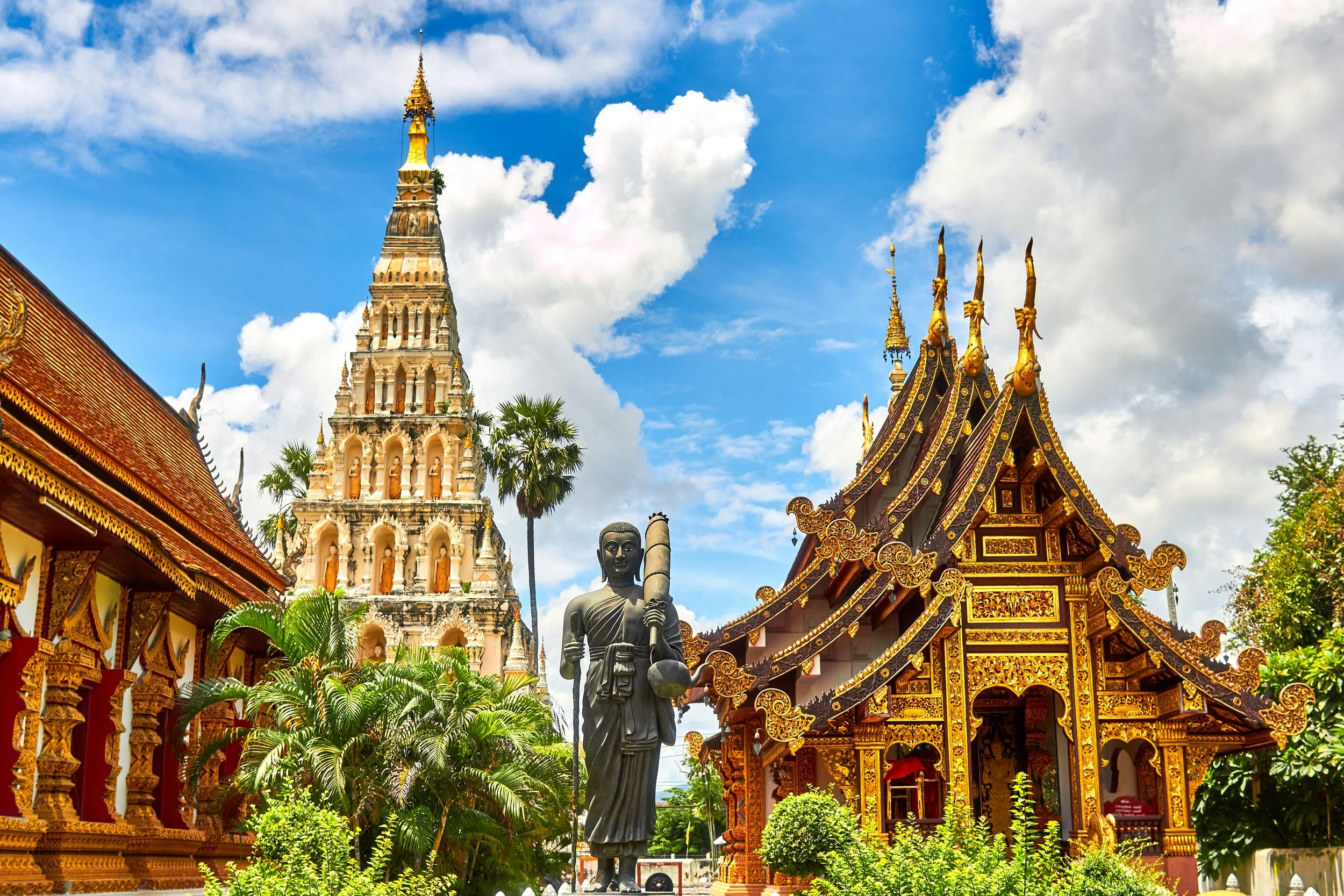
Thailand is the easiest place in the region to combine a city, a culture and a coast. Bangkok is a serious food and design destination in its own right; Chiang Mai and the north hold the temples and the elephant conservation work; the Andaman and Gulf coasts provide the ending. It suits first-timers, honeymooners and families.
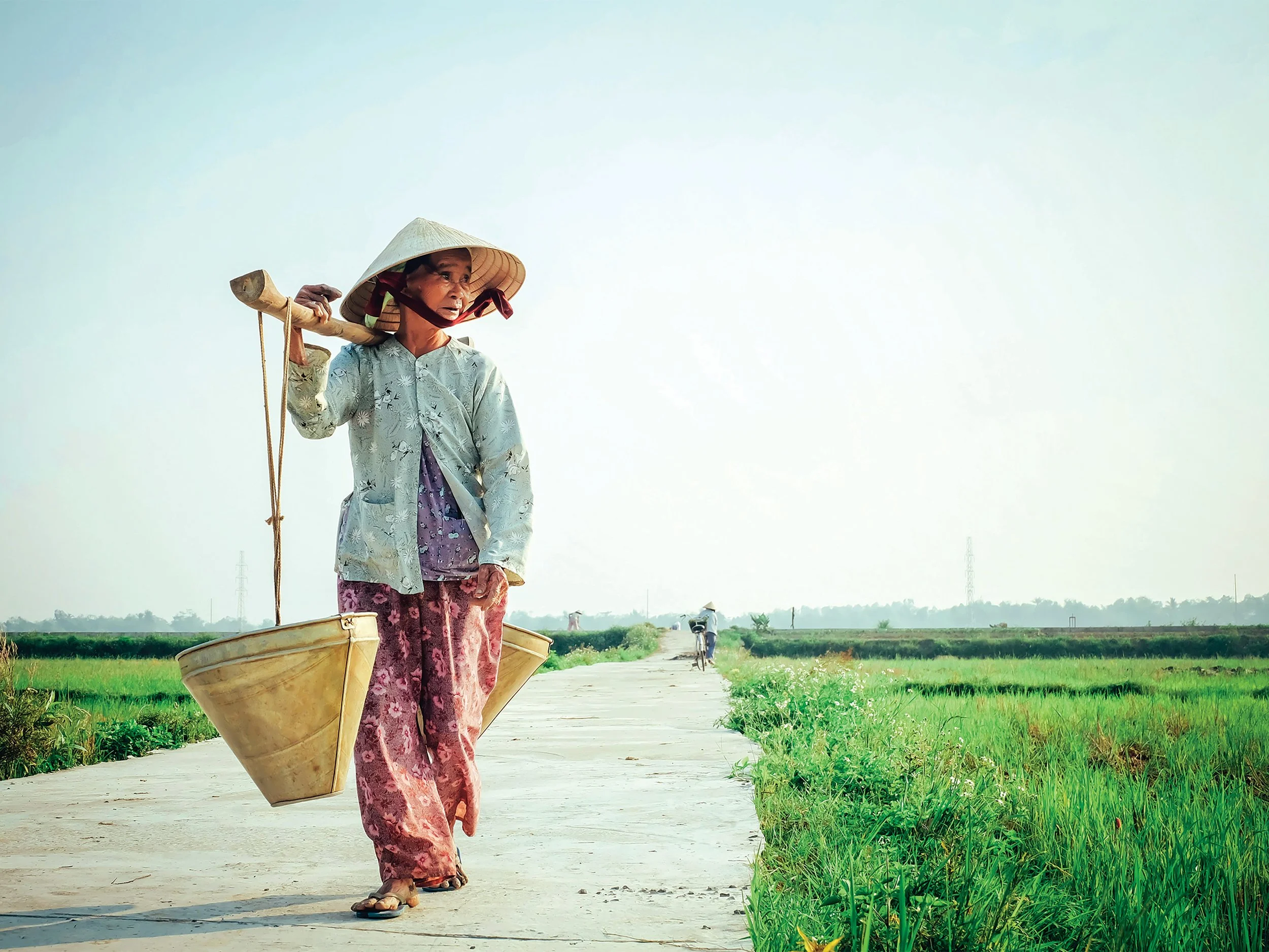
Vietnam is a long, narrow country best travelled as a line. Hanoi and the north for the old quarter, the karst bays and the terraced mountains around Sapa; Hue and Hoi An in the centre for imperial history and tailoring; Ho Chi Minh City and the Mekong Delta in the south. It rewards travellers interested in food and recent history, and works well over twelve to fourteen days.
Cambodia is, for most people, Angkor — and Angkor justifies the journey. The temple complex is vast enough to warrant three or four days with a good guide rather than one. Beyond Siem Reap, Phnom Penh confronts the Khmer Rouge period honestly, and the southern coast and Cardamom Mountains offer an unexpected wilderness ending.
Laos is the quietest country in Southeast Asia and the one travellers are most surprised by. Luang Prabang is a small UNESCO-listed town of temples and French colonial buildings on the Mekong, moving at a pace that makes it an ideal counterweight to Vietnam or Cambodia. Three or four nights is usually enough, and usually not enough.
Indonesia extends far beyond Bali. Java holds Borobudur, the largest Buddhist temple complex in the world; Sumba is raw and culturally intact; Komodo and Raja Ampat contain some of the richest marine life on earth. Bali itself remains excellent if you choose the right side of it. Indonesia suits divers, honeymooners and travellers willing to take an extra internal flight for genuine remoteness.
Borneo, specifically Malaysian Sabah, is the wildlife destination of Southeast Asia. The Kinabatangan River and the primary rainforest of the Danum Valley hold orangutans, pygmy elephants, proboscis monkeys and hornbills, and it combines easily with an island at the end. It suits families with older children, and anyone who has done an African safari and wants a different kind of wildlife.
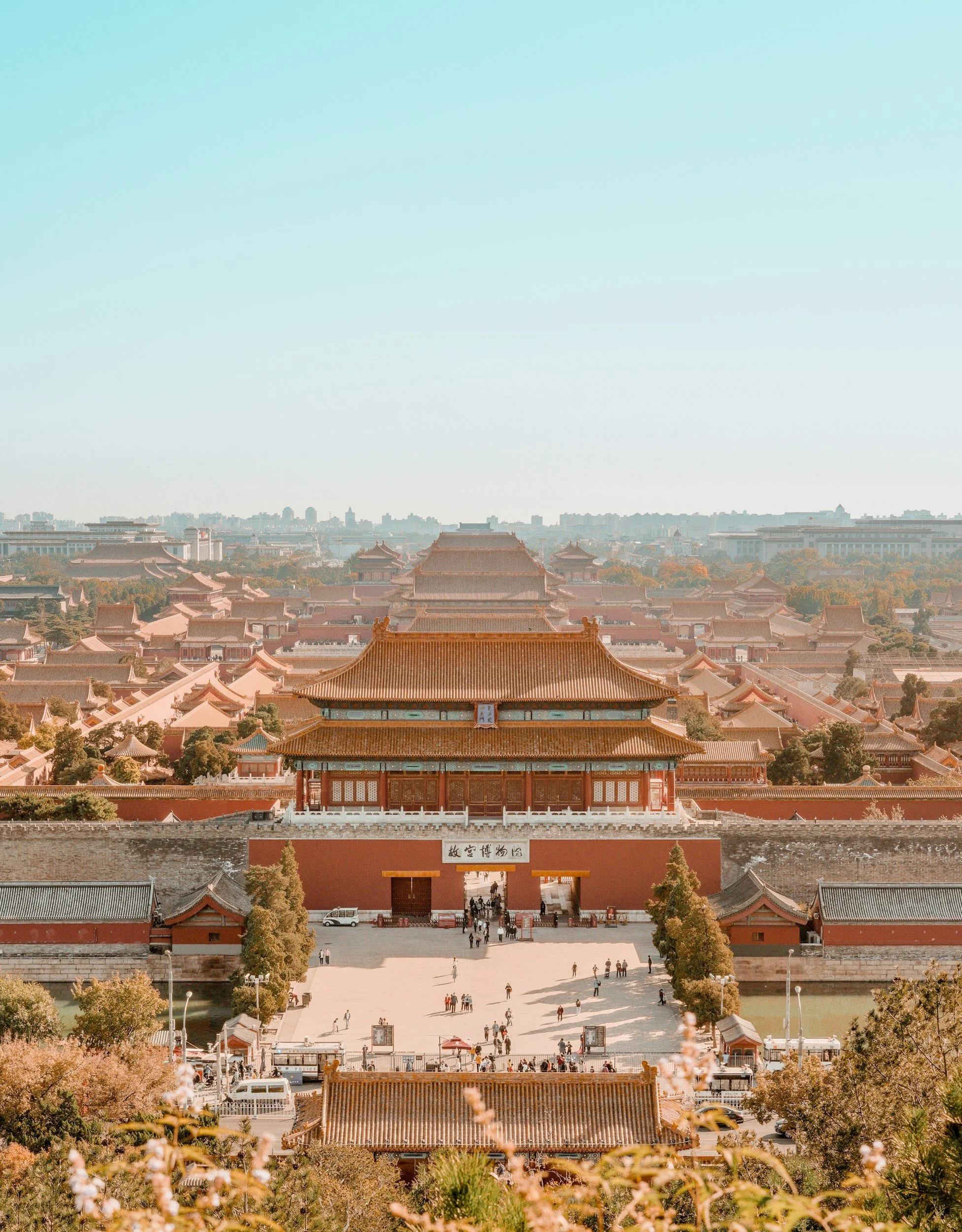
China is the most underestimated destination on this list. Beijing, Xi'an, Chengdu, Hangzhou and Shanghai form a coherent first journey linked by high-speed rail, and northwest Yunnan offers Tibetan culture and mountain landscape for a second. Travel here is smoother than most people expect, provided the groundwork is done properly in advance.
South Korea works best as a companion to Japan, or as a short focused trip of its own. Seoul is one of Asia's most dynamic cities, the palaces and temple-stay programmes give it depth, and Busan and Jeju add coast and volcanic landscape.
When is the best time to travel?
Japan, China and South Korea share a temperate rhythm. Spring, from late March to May, brings the cherry blossom, which moves north over several weeks and cannot be pinned to an exact date. Autumn, from October to late November, is drier, clearer and for many people the better season. Summer is hot and humid, with a rainy season through much of Japan in June. Winter is the reason to go to Hokkaido, where the ski season runs from December to March.
Thailand, Vietnam, Cambodia and Laos are broadly at their best from November to February, when the weather is dry and comparatively cool. There are two exceptions worth planning around. Central Vietnam, around Hue and Hoi An, is wettest from September to December and is better from February to May. And Thailand's Gulf islands, including Koh Samui, run on a different cycle from the Andaman coast, with their wettest period in the last months of the year.
Indonesia and Borneo follow their own patterns. Bali's dry season runs from April to October. Diving in Raja Ampat is at its best from around October to April, and several resorts there open seasonally rather than year-round. In Sabah, the drier months from March to October are generally better, though wildlife along the Kinabatangan is reliable throughout.
Which journey is right for you?
If this is your first time, we usually point you to Japan for its combination of depth and ease, or to Thailand for the variety and the gentle introduction.
If you are travelling as a family, Japan, Thailand and Borneo are the most straightforward, with short internal journeys, forgiving food and enough variety to hold different ages.
If it is a honeymoon or a milestone, Japan and Indonesia, or Thailand and Laos, give you the pairing of culture first and quiet afterwards.
If you are a returning traveller who has done the headline countries, Laos, Raja Ampat, Sumba, northwest Yunnan and the Japanese ryokan circuit are where we would send you next.
And if your heart is set on a particular experience — the cherry blossom, Angkor at dawn, diving the Coral Triangle, orangutans in the wild, a walking journey between ryokan — we build the whole journey around it.
What kind of journeys do we design?
Most take one of a few shapes. Single-country journeys of ten to fourteen days, which is what Japan, Vietnam and Indonesia genuinely deserve. Two-country pairings that share a season, such as Cambodia with Laos, or Thailand with Vietnam. Culture-and-coast journeys ending on an island. Wildlife journeys built around orangutans or the reefs of eastern Indonesia. Walking and rail journeys, particularly in Japan. And longer combinations pairing a mainland journey with a remote Indonesian island.
Where to stay
This region holds the highest concentration of exceptional hotels in the world, and the choice matters more here than the marketing suggests. A ryokan of eight rooms and a city hotel of four hundred are both correct answers to different questions. Our relationships span Aman, Six Senses, Belmond, Four Seasons, Rosewood and Capella, alongside the independent houses that are often the reason a journey is remembered. These are properties we know, with a note on the traveller each tends to suit.
Japan
Aman Tokyo occupies the top of the Otemachi Tower and is the benchmark for the city, suited to travellers who want calm and space above the noise. Park Hyatt Tokyo reopened in December 2025 after a nineteen-month restoration, and remains the most atmospheric of Tokyo's high-floor hotels. Janu Tokyo, Aman's sister brand in the Azabudai Hills quarter, is larger and more sociable, with a substantial wellness floor. Bulgari Hotel Tokyo suits guests who want Italian design and a strong dining and bar culture. Aman Kyoto sits in a private forest garden north of the city, for travellers who want seclusion within reach of the temples. Hoshinoya Kyoto is reached only by boat up the Ōi River in Arashiyama, and is the most romantic address in the city. The Ritz-Carlton Kyoto holds a central riverside position on the Kamogawa and is the most practical base for private touring. Four Seasons Kyoto is built around an eight-hundred-year-old pond garden and suits families particularly well. Capella Kyoto opened in Higashiyama in March 2026 and is the newest option in the city. Amanemu, on Ago Bay in Ise-Shima, is built around its own thermal onsen and is the country's benchmark for a wellness stay. Tawaraya, in Kyoto, is a centuries-old ryokan and one of the most quietly revered places to stay in Japan. Gora Kadan, in Hakone, is the classic onsen ryokan for a first night on tatami. Park Hyatt Niseko anchors the Hokkaido ski season from December to March.
Thailand
Amanpuri, Phuket, was the original Aman, opened in 1988, and remains the reference point for the country. Trisara, Phuket, is privately owned, deliberately unbranded and favoured by guests who want discretion. Rosewood Phuket suits couples wanting contemporary design on a quieter stretch of the west coast. Six Senses Yao Noi looks out over the limestone karsts of Phang Nga Bay and is one of the most striking settings in Thailand. Soneva Kiri, on Koh Kood, is remote, family-oriented and unusually well equipped for children. Four Seasons Koh Samui is the Gulf-coast alternative, useful when the Andaman season is against you. Aman Nai Lert Bangkok opened in April 2025 in a private eight-acre park in the centre of the city, with fifty-two suites. Mandarin Oriental Bangkok has been operating since 1876 and is the historic riverside choice. The Siam, Bangkok, is a small art-deco hotel on the river, for travellers who prefer character to scale. Four Seasons Chiang Mai sits among working rice terraces and is the most comfortable base in the north.
Vietnam
Amanoi, on the coast of Núi Chúa National Park, is the most secluded property in the country and the strongest wellness address. Four Seasons Resort The Nam Hai, Hội An, is an all-villa resort on Hà My beach ten minutes from the old town, and works particularly well for families. Six Senses Ninh Van Bay is reached only by boat and is built into the rocks of a private bay. Capella Hanoi, a Bill Bensley design near the Opera House, is the most characterful hotel in the capital. Sofitel Legend Metropole Hanoi is the historic alternative, opened in 1901. InterContinental Danang Sun Peninsula Resort is dramatic, large and well suited to multigenerational groups. Zannier Hotels Bãi San Hô, in Phú Yên, is remote and quiet, for travellers wanting a coastline without other visitors.
Cambodia
Amansara, in Siem Reap, was King Sihanouk's guest villa and remains the finest base for Angkor, with privileged temple access. Raffles Grand Hotel d'Angkor is the grand colonial-era alternative, opened in 1932. Shinta Mani Angkor and its Bensley Collection Pool Villas are design-led and strongly community-focused. Shinta Mani Wild is a fifteen-tent camp in the Cardamom Mountains, all-inclusive, with a genuine conservation programme run alongside Wildlife Alliance. Song Saa Private Island, in the Koh Rong archipelago, is the country's private-island option and suits couples closing a journey by the sea.
Laos
Amantaka occupies a former French colonial hospital in the centre of Luang Prabang, with twenty-four suites. Rosewood Luang Prabang sits in a river valley outside town, part lodge and part tented camp, and holds three Michelin Keys. Belmond La Résidence Phou Vao is a teak mansion on a hill with the best view over the town.
Indonesia
Amanjiwo, in central Java, faces Borobudur across the rice fields and offers privileged access to the temple. Amandari and Amankila, in Bali, cover the Ayung river gorge at Ubud and the east coast respectively. Four Seasons Sayan is the most architecturally memorable of the Ubud properties. COMO Shambhala Estate is Bali's dedicated wellness retreat. Bulgari Resort Bali commands a clifftop at Uluwatu and suits guests wanting design and a strong dining scene. Nihi Sumba is a remote lodge on Sumba built around surfing, horses and a substantial local foundation. Amanwana, on Moyo Island, is a tented camp reached by boat and unusually good for families with young children. Bawah Reserve, in the Anambas, is reached by seaplane from Singapore and is the most self-contained island option. Misool, in southern Raja Ampat, is a diving and conservation resort at the centre of the Coral Triangle.
Borneo
Borneo Rainforest Lodge, in the Danum Valley, sits in primary rainforest on the Danum River and is the finest wildlife lodge in Sabah. Sukau Rainforest Lodge, on the Kinabatangan, is a National Geographic Unique Lodge and the best base for river-based wildlife viewing. Gaya Island Resort, in the Tunku Abdul Rahman marine park, is the natural place to end a Borneo journey by the sea.
China
Aman at Summer Palace, Beijing, adjoins the Summer Palace grounds with its own gate into the park. The Peninsula Beijing is the most polished city hotel in the capital. Amanfayun, Hangzhou, occupies a restored village beside the Lingyin temple complex. Amanyangyun, outside Shanghai, is built from relocated antique villas within a transplanted camphor forest. Amandayan overlooks the UNESCO-listed old town of Lijiang in Yunnan. Bulgari Hotel Shanghai and Bulgari Hotel Beijing are the design-led city choices. Songtsam operates a circuit of small Tibetan-style lodges through northwest Yunnan, and is the best way to travel that region. Six Senses Qing Cheng Mountain, near Chengdu, pairs naturally with the pandas.
South Korea
Four Seasons Hotel Seoul is the most reliable base in the centre of the city. Signiel Seoul occupies the upper floors of the Lotte World Tower, for travellers who want the view. The Shilla Seoul is the Korean-owned classic, with the strongest sense of place. Josun Palace, in Gangnam, is a Luxury Collection property well suited to families. Park Hyatt Busan looks over the marina and Gwangan Bridge on the south coast.
Your journey starts with a conversation
Tell us what you are hoping for, whether that is two weeks in Japan built around food and rail, the temples of Angkor followed by a quiet week by the sea, orangutans in Borneo with older children, or something you have been putting off for years. We will listen, ask the right questions, and design something built entirely around you.
FAQ
Which country is best for a first visit? Japan is the one we recommend most often. It offers extraordinary depth of culture and food with unusually easy logistics, and the rail network makes it simple to travel well. Thailand is the other we suggest regularly, for the combination of city, culture and coast in a single country.
When is the best time to travel? It depends where you are going. Japan, China and South Korea are best in spring and autumn. Thailand, Vietnam, Cambodia and Laos are broadly at their best from November to February, with central Vietnam the exception, being better from February to May. Bali's dry season runs from April to October.
How long do you need? For a single country such as Japan, Vietnam or Indonesia, we would suggest ten to fourteen days as a minimum to travel at the right pace. Two-country journeys generally need fourteen to eighteen. The most common regret we hear is not that a trip was too short, but that it tried to include too much.
Is this region suitable for families with children? Very much so. Japan, Thailand and Borneo are the most straightforward, with short internal journeys, a good range of properties that genuinely accommodate children, and enough variety to hold different ages. Some lodges have minimum age policies, so we match the properties and the pacing to your children.
Can a journey be combined with a beach at the end? Yes, and it is one of the pairings we design most often. Thailand, Vietnam and Indonesia all have coastlines that work as a closing week, and Borneo pairs naturally with an island off Sabah.
Do you arrange private guides throughout? Yes. In this part of the world the guide is the single largest variable in the quality of a journey. We work with a small number of private guides in each country, chosen individually rather than assigned by an agency, and matched to the interests of the people travelling.
India, Sri Lanka, Nepal and Bhutan sit close together on a map and feel nothing alike on the ground. We design private, tailor-made journeys across all four, from Rajasthan's palace cities and the tiger reserves to Sri Lanka's tea country, the Annapurnas and the monastery valleys of Bhutan. They share a monsoon and very little else, which is why the sequence and the season matter more here than almost anywhere.
Is it worth using a travel designer for a journey through South Asia?
More than for most destinations. This is a part of the world where the difference between a good trip and a memorable one is rarely the hotel. It is the guide who knows which gate of a fort opens first, the permit secured months ahead for a gorge or a monastery festival, the decision to spend four nights in Udaipur rather than two nights each in Udaipur and Jodhpur.
There is a practical dimension too. Internal flights are frequent and occasionally fragile, road journeys take longer than the distances suggest, and the four countries run on weather patterns that contradict each other within the same month. Getting the order right is not a matter of taste. In Nepal it determines whether you see the mountains at all.