
Europe
Europe is the destination everyone assumes they can arrange themselves, and the one where good design makes the largest difference to the actual experience. The hotels are known, the cities are familiar, and the flights are easy. What is difficult is the table that cannot be booked, the museum before it opens, the villa that never reaches a public listing, and knowing that the second week of September is worth more than the first week of August in almost every part of the Mediterranean.
We design private, tailor-made journeys across Italy, France, Spain, Portugal, the United Kingdom, Ireland and Austria, and we are based in Greece, which we cover in depth on its own page.
Is it worth using a travel designer for Europe?
It is the question we are asked most, and the honest answer is that it depends entirely on what you want from the trip.
If you want a good hotel in a capital city for three nights, you do not need us. If you want the Uffizi before the public are admitted, a private boat on the Amalfi Coast with a captain who knows where to stop for lunch, a table at a restaurant booked out for four months, or a villa in Tuscany with staff and a chef that has never appeared on a rental site, then the relationships are the entire point. Europe's supply at this level is controlled by people rather than platforms.
There is also the matter of pacing. The most common European itinerary we are asked to fix is one with too many cities and too many one-night stays, where a fortnight is spent largely in transit. Doing less is almost always the improvement.
Where should you go?
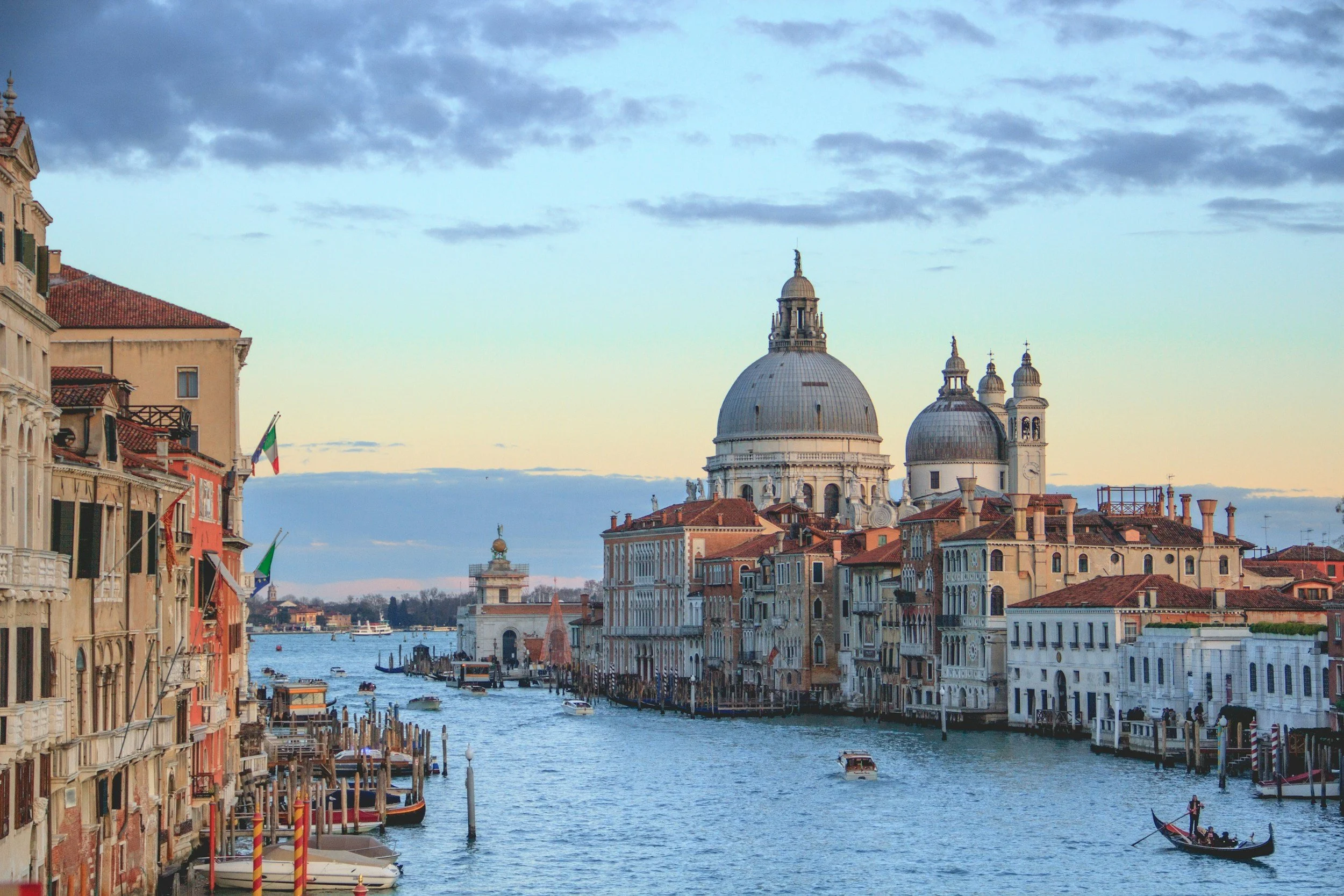
Italy is the most requested country in the world, and it rewards depth over coverage. Rome, Florence and Venice are the classic first journey, though we would usually suggest two of the three plus time in the countryside. Beyond them: Tuscany and Umbria for the landscape and food; the Amalfi Coast and Capri for the drama; Lake Como for the villas; Puglia for the masserie and the coastline; Sicily for the layers of Greek, Norman and Arab history; and the Dolomites for walking in summer.
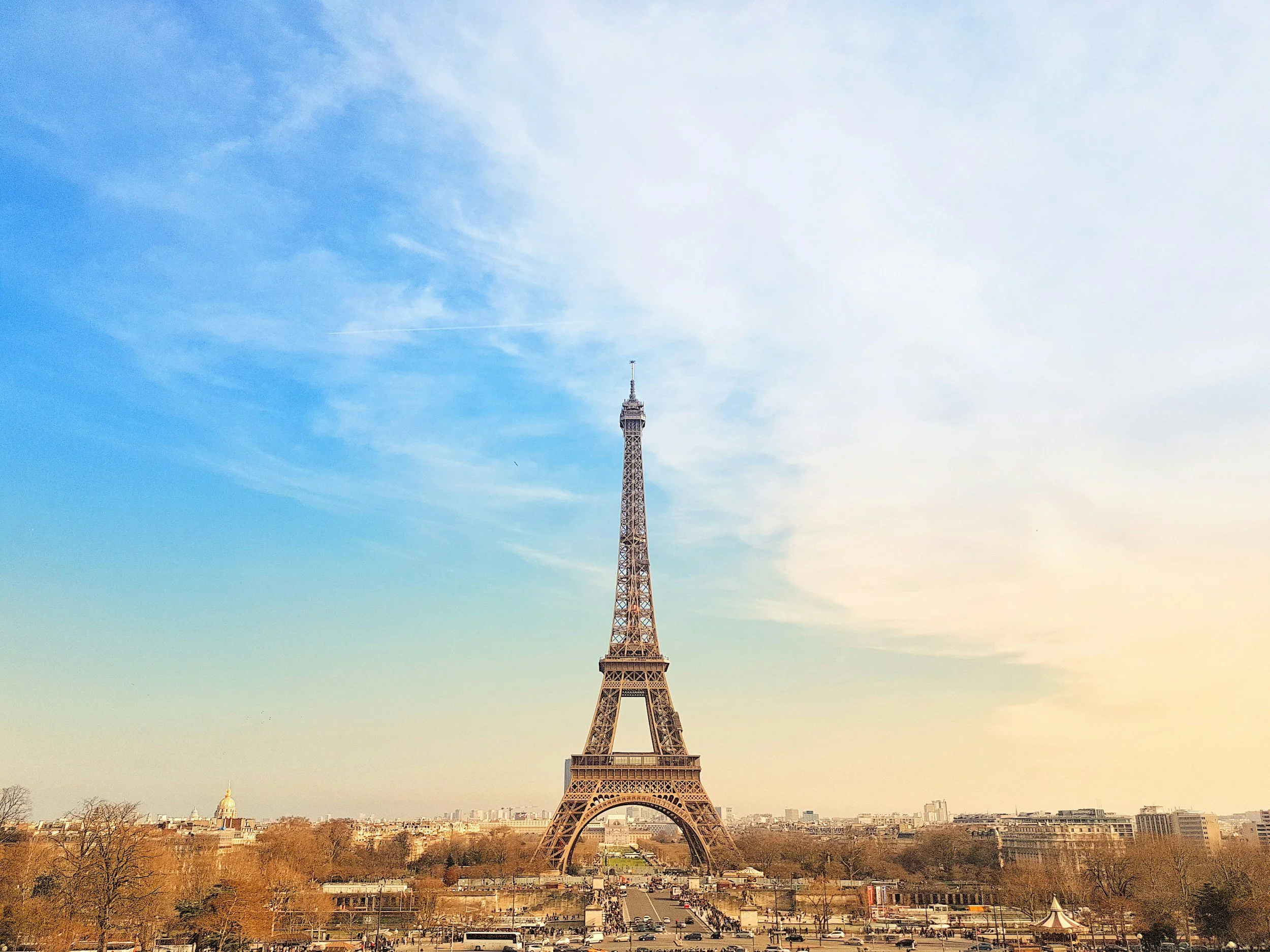
France divides neatly into Paris and everywhere else, and both deserve time. Paris holds more of the world's finest hotels than any other city. Provence is at its best in early summer, the Côte d'Azur in June and September, and the wine regions of Burgundy, Bordeaux and Champagne repay a slow few days each. The Loire, Normandy and the Basque country are where we send people who have done the obvious.
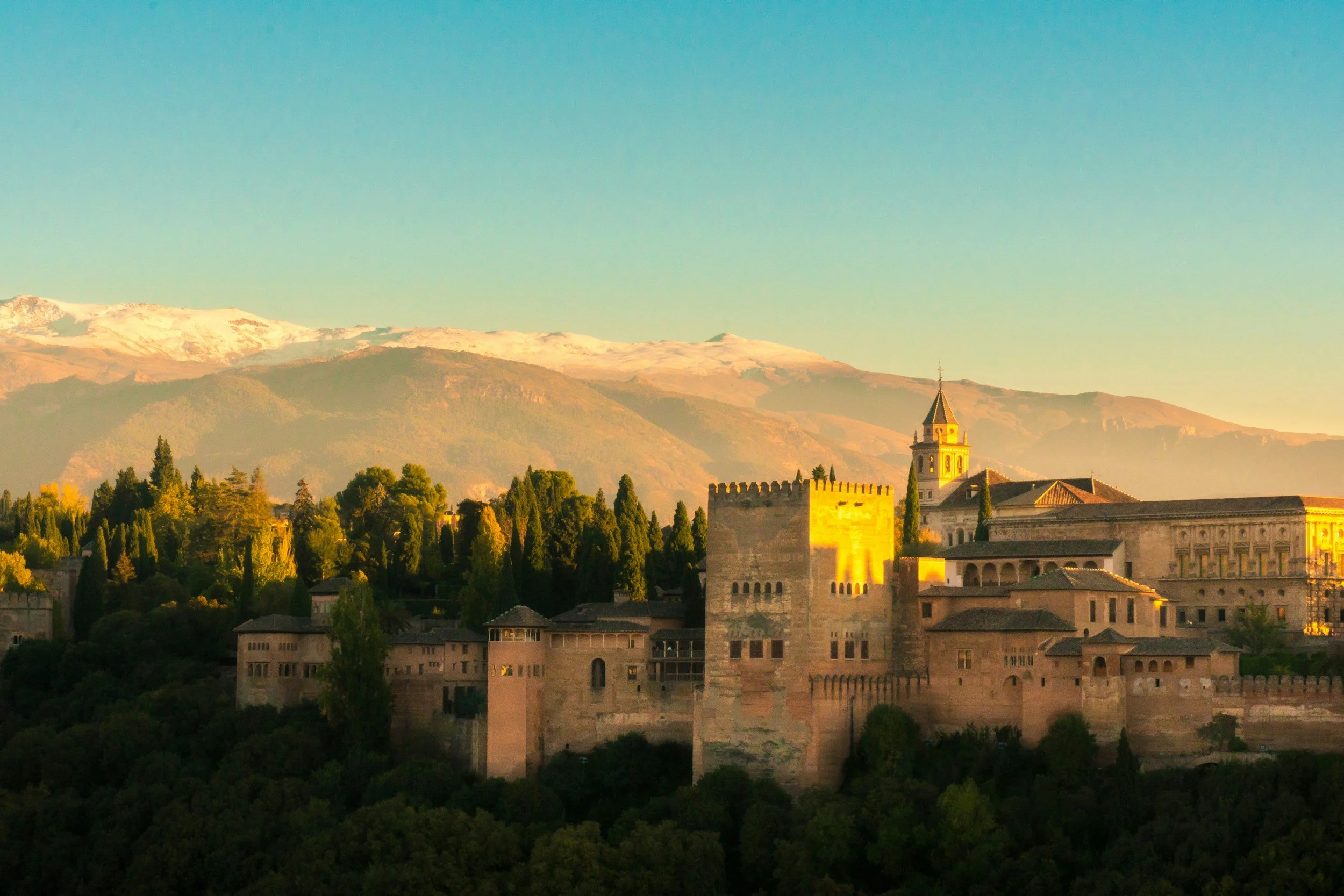
Spain is more varied than its reputation suggests. Madrid has become one of Europe's serious food cities, Barcelona holds the architecture, Andalusia has Granada, Seville and Córdoba, and San Sebastián and the Basque country are arguably the finest eating in Europe. Mallorca and Ibiza both have a quiet, sophisticated side that has little to do with their popular image.
Portugal is the best value at this level in Western Europe and the easiest to travel. Lisbon and Porto are both walkable and characterful, the Douro Valley is one of the most beautiful wine regions anywhere, the Alentejo and Comporta offer space and quiet, and the Algarve and Madeira give you the coast.
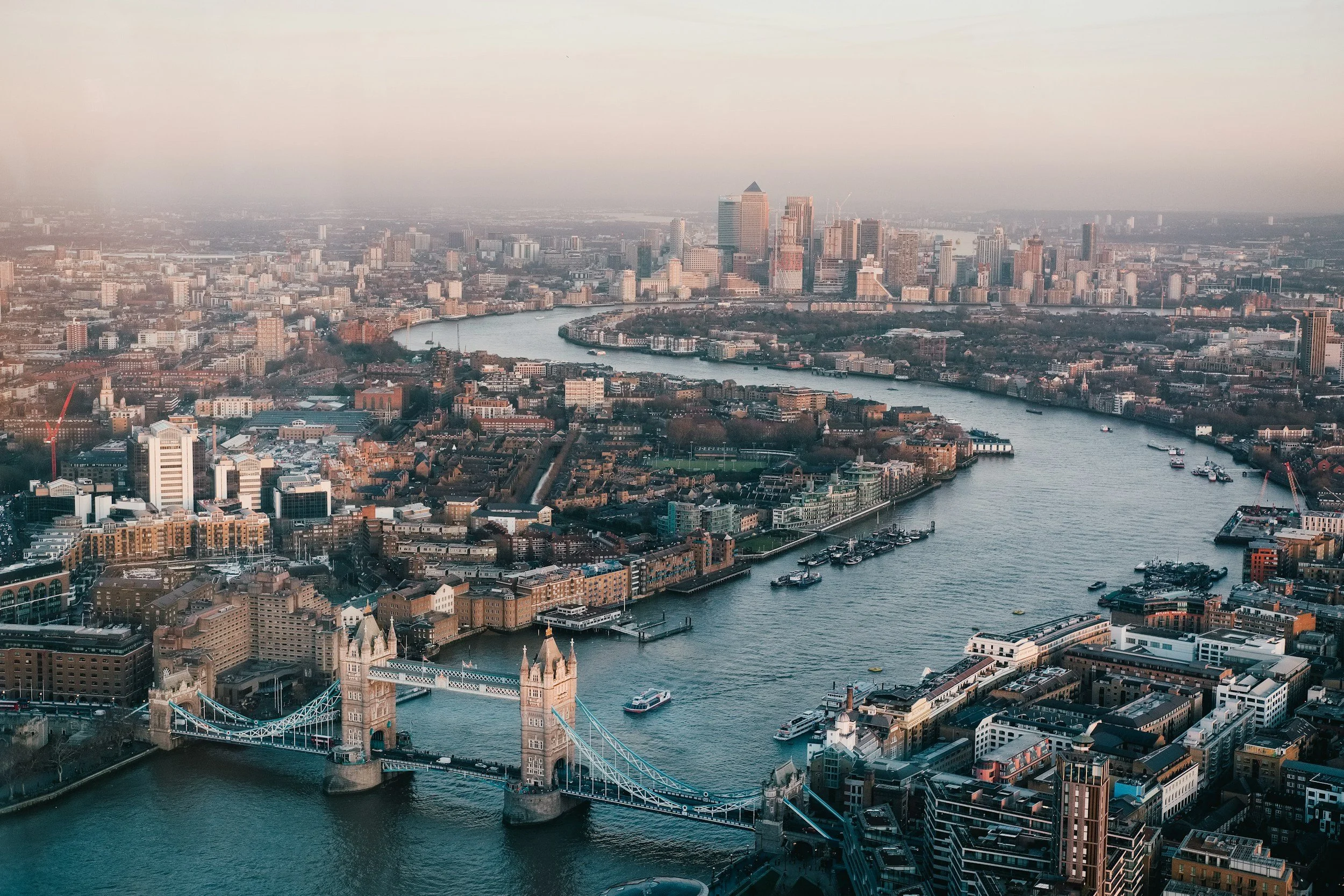
The United Kingdom and Ireland work best as a combination of city and country. London is a destination in its own right; the English countryside holds a particular kind of restored country-house hotel that exists nowhere else; Scotland has the Highlands, the islands and the whisky; and Ireland's west coast and castle estates are the reason most people go.
Austria is the quiet recommendation. Vienna is the most underrated capital in Europe for music, art and coffee-house culture, Salzburg is exceptional during the summer festival, and the lake district around Fuschl and Wolfgangsee is beautiful and largely unknown to international visitors.
Greece is our home, and we cover it separately and in far more detail on its own page.
When is the best time to travel?
The single most useful thing we can tell you about European travel is that the shoulder seasons are better, and not by a small margin.
Mediterranean Europe — Italy, southern France, Spain, Portugal and Greece — is at its best from late April to June and again from September into October. The weather is warm without being punishing, the light is better, and the places are populated by people who live there rather than only by visitors. Summers have become reliably hotter in the last decade, and inland Andalusia, Rome and Florence in July and August are genuinely uncomfortable rather than merely warm.
August specifically is the month we steer clients away from where we can. Beyond the heat and the crowds, much of Italy, France and Spain takes its own holiday, and a proportion of the best family-run restaurants simply close.
The wine regions — Tuscany, Burgundy, Bordeaux, the Douro, Rioja — are at their most interesting during the September and October harvest, which is also when the countryside looks best.
The United Kingdom and Ireland run on a shorter season, from May to September, with June and September the most reliable. Scotland is at its best from May to September, and the Highlands in late spring are worth planning around.
The cities work all year. Paris, Rome, Vienna, Madrid and London are arguably better in November or February than in high summer, with the museums quiet and the hotels considerably more available.
Which journey is right for you?
If this is your first time, we would suggest Italy, with two anchors and a stretch of countryside rather than a tour of five cities.
If you are travelling as a family, Portugal, Puglia, Mallorca and the English or Irish countryside are the most straightforward. A staffed villa often works better than a hotel once children are involved, and it is usually the better value as well.
If it is a honeymoon or a milestone, Lake Como, the Amalfi Coast, the Côte d'Azur and the Scottish Highlands are the settings we return to most.
If you are a returning traveller, Sicily, the Alentejo, the Basque country, Umbria, Connemara and the Austrian lakes are where we would send you next.
And if your heart is set on a particular experience — the harvest in Burgundy, an opera at Salzburg, a private villa for a family gathering, the Uffizi before opening, a walking week in the Dolomites — we build the journey around it.
What kind of journeys do we design?
Most take one of a few shapes. City-and-country journeys of ten to fourteen days within a single country, which is what Italy, France and Spain each deserve. Villa-based weeks with a chef, a driver and private guiding arranged around them, which is how most families travel best here. Wine and food journeys through Tuscany, Burgundy, the Douro or the Basque country. Walking journeys in the Dolomites, Provence or the Highlands. Multi-city journeys linked by rail rather than by air. And celebration journeys built around a house taken for a week.
Where to stay
Europe's difficulty is not finding a good hotel but choosing between a great many. Two external measures are genuinely useful here. France maintains its official Palace distinction, awarded to thirty-three hotels for 2026, with Bvlgari Hotel Paris, Cheval Blanc Paris, Fouquet's Paris, Hôtel Martinez Cannes and Royal Champagne among those recognised for the first time. MICHELIN's Key ratings now cover the UK and Ireland, where thirteen properties hold the top Three Key distinction. Beyond the lists, what matters is the fit. These are properties we know, with a note on the traveller each tends to suit.
Italy
Aman Venice occupies a 16th-century palazzo on the Grand Canal and is the quietest place to stay in the city. Cipriani, A Belmond Hotel, on Giudecca, has the pool, the garden and the launch across to St Mark's, and is the better choice in summer. Bulgari Hotel Roma, on Piazza Augusto Imperatore, is the strongest recent opening in the capital. Hotel de la Ville, a Rocco Forte hotel at the top of the Spanish Steps, has the best terrace in Rome. Four Seasons Firenze sits in a walled Renaissance garden and is the most comfortable base in Florence for families. Collegio alla Querce, Auberge Resorts Collection, opened in the Le Cure hills above Florence in a former boarding school, with cathedral views. Villa San Michele, A Belmond Hotel, in Fiesole, occupies a former monastery with a façade attributed to Michelangelo, and has recently reopened. Rosewood Castiglion del Bosco, near Montalcino, is a restored village estate in Val d'Orcia with its own vineyard, and is the finest place to base a Tuscan week. Borgo Santo Pietro, near Siena, is a working farm and a Relais & Châteaux property, and unusually good with children. Reschio, in Umbria, is a restored castle estate and the most complete expression of Italian country living at this level. Passalacqua, on Lake Como at Moltrasio, opened in 2022 in an eighteenth-century villa and was named best boutique hotel by the World's 50 Best Hotels in 2025. Grand Hotel Tremezzo has anchored the lake since 1910 and is the grander, more sociable alternative. Le Sirenuse, Positano, remains the reference point on the Amalfi Coast. Il San Pietro di Positano is carved into the cliff below the town and is the more private of the two. Palazzo Avino, in Ravello, sits high above the coast with a beach club below. Hotel La Palma, Capri, is an Oetker Collection property of fifty rooms steps from the Piazzetta. San Domenico Palace, Taormina, A Four Seasons Hotel occupies a former convent with the best view in Sicily. Splendido, A Belmond Hotel, Portofino, has looked down on the harbour since 1901. Borgo Egnazia, in Puglia, is built as a village and is the region's most complete resort.
France
Ritz Paris opened on Place Vendôme in 1898 and remains the most storied address in the city. Le Bristol Paris is the choice for guests who want a garden, a rooftop pool and Faubourg Saint-Honoré at the door. Four Seasons George V completed a full renovation of all its rooms and suites in 2025. Cheval Blanc Paris occupies the restored Art Deco Samaritaine above the Seine and is the best of the newer openings. Le Meurice and Plaza Athénée, both Dorchester Collection, are the classic Right Bank alternatives. Airelles Château de Versailles, Le Grand Contrôle puts you inside the palace grounds, which is an experience nothing else in France matches. Airelles Gordes, La Bastide is the strongest address in the Luberon. Villa La Coste, near Aix, combines a vineyard, a contemporary art park and serious architecture. Hôtel du Cap-Eden-Roc, on Cap d'Antibes, is Riviera mythology intact, with the seawater pool cut into the rock. Grand-Hôtel du Cap-Ferrat, A Four Seasons Hotel is the more discreet of the two headline Riviera properties. La Réserve Ramatuelle looks down on the sea above Saint-Tropez and is the calmest option on that coast. Les Sources de Caudalie, at Martillac outside Bordeaux, sits among the vines of Château Smith Haut Lafitte. Royal Champagne Hôtel & Spa, at Champillon, is the base for the Champagne houses and joined the Palace list in 2026.
Spain
Mandarin Oriental Ritz, Madrid reopened after a full restoration and is the finest hotel in the capital. Rosewood Villa Magna is the contemporary alternative on the Paseo de la Castellana. La Residencia, A Belmond Hotel, above Deià in Mallorca's Tramuntana, is an artists' village retreat that works exceptionally well for families. Cap Rocat, near Palma, occupies a nineteenth-century clifftop fortress and is one of the most unusual buildings in the Mediterranean. Son Bunyola, at Banyalbufar, is Richard Branson's Mallorcan estate on the north-west coast. Six Senses Ibiza, in the north of the island, is the wellness-led answer to Ibiza's reputation. Finca Cortesín, on the Costa del Sol, has the golf, the spa and the beach club, and is the best base in Andalusia for a week. Marbella Club remains the original and still the most characterful address on that coast.
Portugal
Four Seasons Hotel Ritz Lisbon holds the best position and the best art collection in the city. Six Senses Douro Valley, near Lamego, occupies a nineteenth-century manor above the terraced vineyards and is the wellness anchor of northern Portugal. Reid's Palace, A Belmond Hotel, on Madeira, has stood above Funchal in ten acres of subtropical garden since 1891. Vila Vita Parc, in the Algarve, is the most complete resort on that coast and particularly strong for families. Sublime Comporta, in the Alentejo pine forest an hour from Lisbon, is where Lisbon itself goes at the weekend.
The United Kingdom and Ireland
Claridge's, The Connaught and The Savoy are the London institutions, and all three hold three MICHELIN Keys. The Peninsula London and Raffles London at The OWO are the two significant recent openings, the first at Hyde Park Corner and the second in the former War Office. The Newt in Somerset is a working estate with gardens, a cyder farm and a Roman villa, and is the most interesting country hotel in England. Heckfield Place, in Hampshire, is the quieter, more design-led alternative within reach of London. Le Manoir aux Quat'Saisons remains the finest place to eat and stay in the English countryside. Gleneagles, in Perthshire, is the Scottish country pursuits estate, with golf, shooting and falconry. The Fife Arms, in Braemar, is an eccentric and beautifully executed Highland hotel with a serious art collection. Ashford Castle, on Lough Corrib, is the definitive Irish castle estate. Adare Manor, in Limerick, is the most polished hotel in Ireland after a substantial restoration. Ballyfin Demesne takes only around twenty rooms and is the most private house in the country.
Austria
Rosewood Schloss Fuschl, on the lake outside Salzburg, reopened as a Rosewood after a full restoration and is the strongest address in the Salzkammergut. Hotel Sacher Wien is the Viennese institution, opposite the Opera. Rosewood Vienna occupies a former bank on Petersplatz and is the best of the newer city openings. Hotel Sacher Salzburg and Hotel Goldener Hirsch are the two Salzburg addresses to hold during the festival, and both book out a year ahead.
Your journey starts with a conversation
Tell us what you are hoping for, whether that is a first fortnight in Italy, a staffed villa for a family gathering, the harvest in Burgundy, a week between London and the Highlands, or something you have been putting off for years. We will listen, ask the right questions, and design something built entirely around you.
FAQ
When is the best time to travel in Europe? Late April to June, and September into October, for the Mediterranean countries. May to September for the UK and Ireland. The cities work all year and are often better outside high summer. If your dates are flexible at all, moving a Mediterranean trip out of July and August improves it more than almost any other single decision.
How long do you need? Ten to fourteen days for a single country done properly. The most frequent correction we make to a client's first draft is removing a destination rather than adding one; four bases in a fortnight works, six does not.
Is a villa better than a hotel? For families and groups, very often yes. A staffed villa with a chef and a housekeeper usually costs less than equivalent hotel rooms, gives everyone their own space, and removes the daily logistics of eating out with children. We arrange the staff, the guiding and the transfers around it. For couples and shorter stays, a hotel is normally the better answer.
Can you get restaurant reservations that are otherwise full? Often, though we will never promise a specific table before we have it. The relationships are with the hotels and with individual restaurants rather than with a booking system, and the earlier we know what matters to you, the more we can do.
Do we need a car? It depends entirely on the country. Tuscany, Provence, Andalusia and the Scottish Highlands are genuinely better self-driven. Italy's cities, the Amalfi Coast and central London are better with a private driver. We usually design a mixture, with a driver where the roads are difficult and a car where the drive is part of the point.
Do you cover Greece? Yes, and in considerably more depth than we could here. We are based in Greece, and it has its own page.