
Latin America
South America is a continent of long distances and short seasons, and the two rarely cooperate. Patagonia and the Peruvian Andes are at their best in opposite halves of the year; the Pantanal's jaguars appear when Patagonia is closed. We design private, tailor-made journeys through Peru, Ecuador and the Galápagos, Chile, Argentina, Brazil and Colombia, and most of the work is in deciding what genuinely belongs in one trip and what deserves a second.
Is it worth using a travel designer for Latin America?
More than for most regions, for two reasons.
The first is seasonal. There is no month in which the whole continent is at its best, and a badly sequenced itinerary does not simply mean poor weather — it means arriving in Torres del Paine when the lodges have shut for winter, or in the Pantanal when the tracks are underwater.
The second is guiding. Machu Picchu, the Galápagos and the Amazon are all places where the guide determines almost everything about the experience, and where the difference between a competent group guide and an exceptional private one is the difference between seeing a site and understanding it. Access matters too: entry to Machu Picchu is capped and timed, the best Galápagos vessels carry twenty guests and book a year out, and the finest Patagonian lodges are all-inclusive properties that sell whole seasons in advance.
Where should you go?
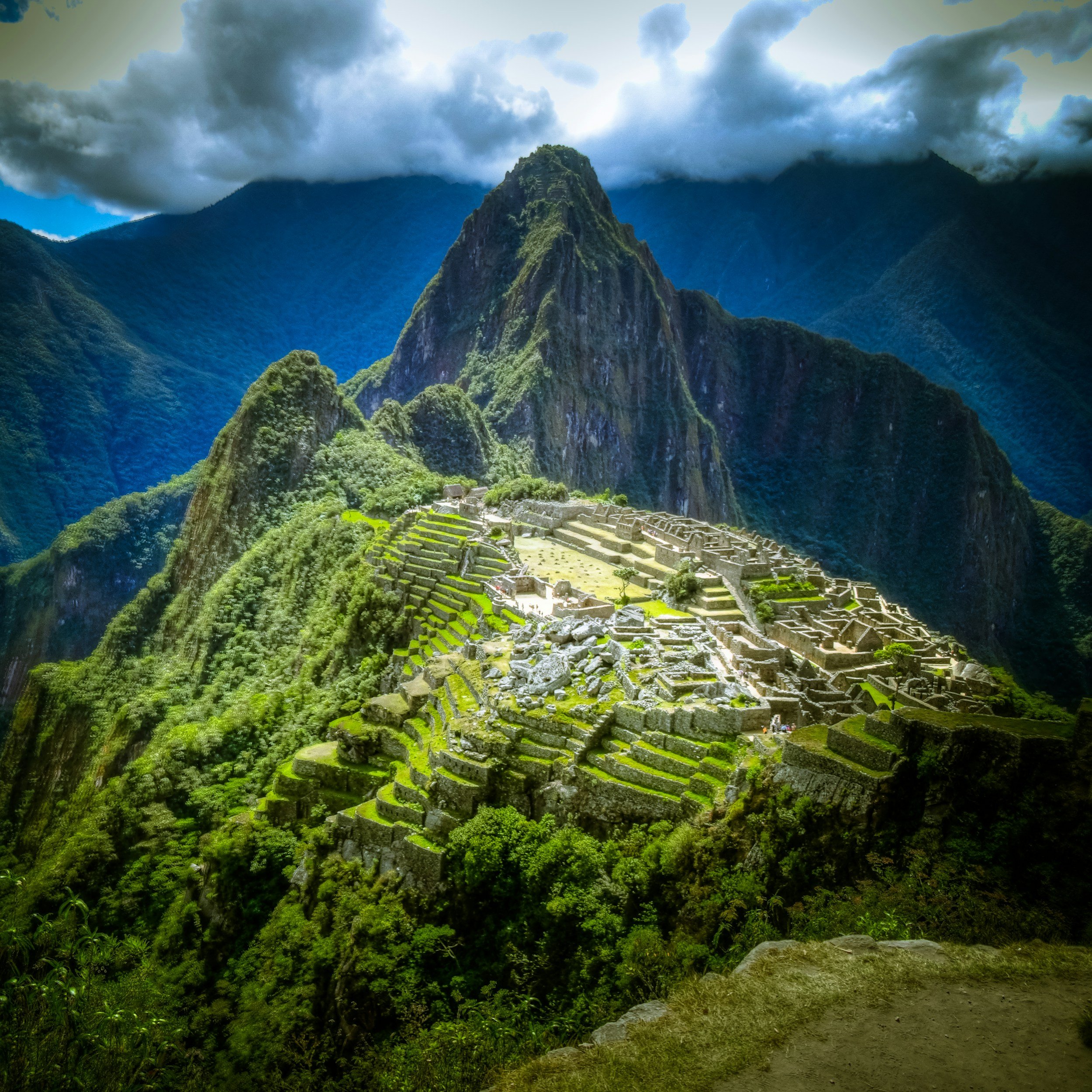
Peru is the most complete first journey in South America. Lima has become one of the world's serious food cities; Cusco and the Sacred Valley hold the Inca sites and the finest hotels in the country; Machu Picchu justifies its reputation. Beyond that circuit, Lake Titicaca, the Colca Valley and the Amazon are all reachable, and Peru rewards adding one of them rather than rushing the main route.
Ecuador and the Galápagos is the strongest wildlife journey on the continent, and one of the strongest anywhere. The islands are best seen from a small vessel rather than a hotel, and Quito, the Andean haciendas and the Chocó cloud forest make a genuinely worthwhile few days before you sail rather than a formality.
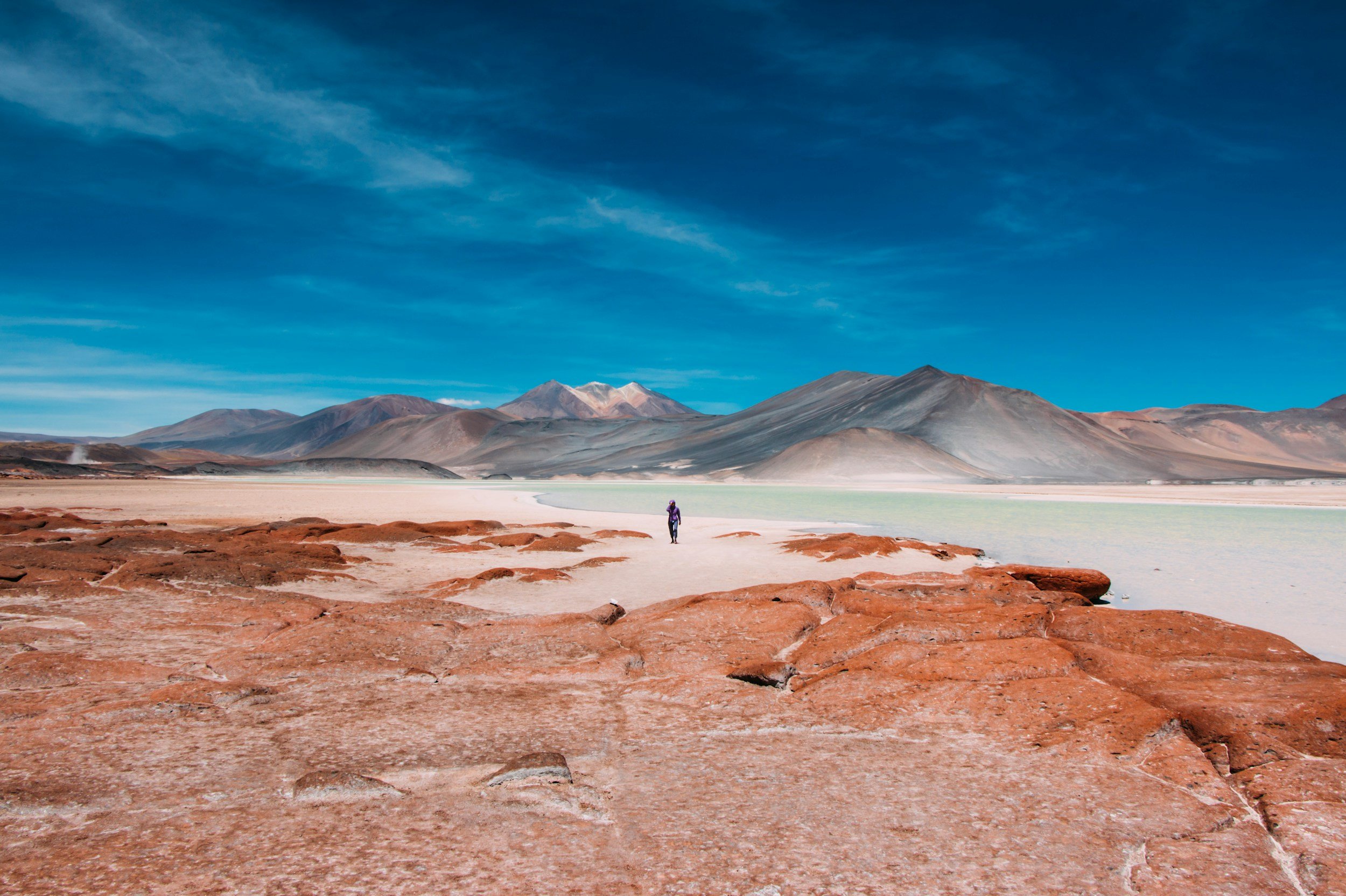
Chile is a country of extremes at either end. The Atacama in the north is the driest desert on earth, with salt flats, geysers and the clearest night skies anywhere. Torres del Paine in the south holds the finest concentration of wilderness lodges in South America. Santiago and the wine valleys sit comfortably between them.
Argentina is the most varied. Buenos Aires is the most European city on the continent and deserves three or four days; Mendoza is serious wine country at the foot of the Andes; El Calafate and El Chaltén give you the Argentine side of Patagonia; and Iguazú, shared with Brazil, is the most spectacular waterfall system in the world.
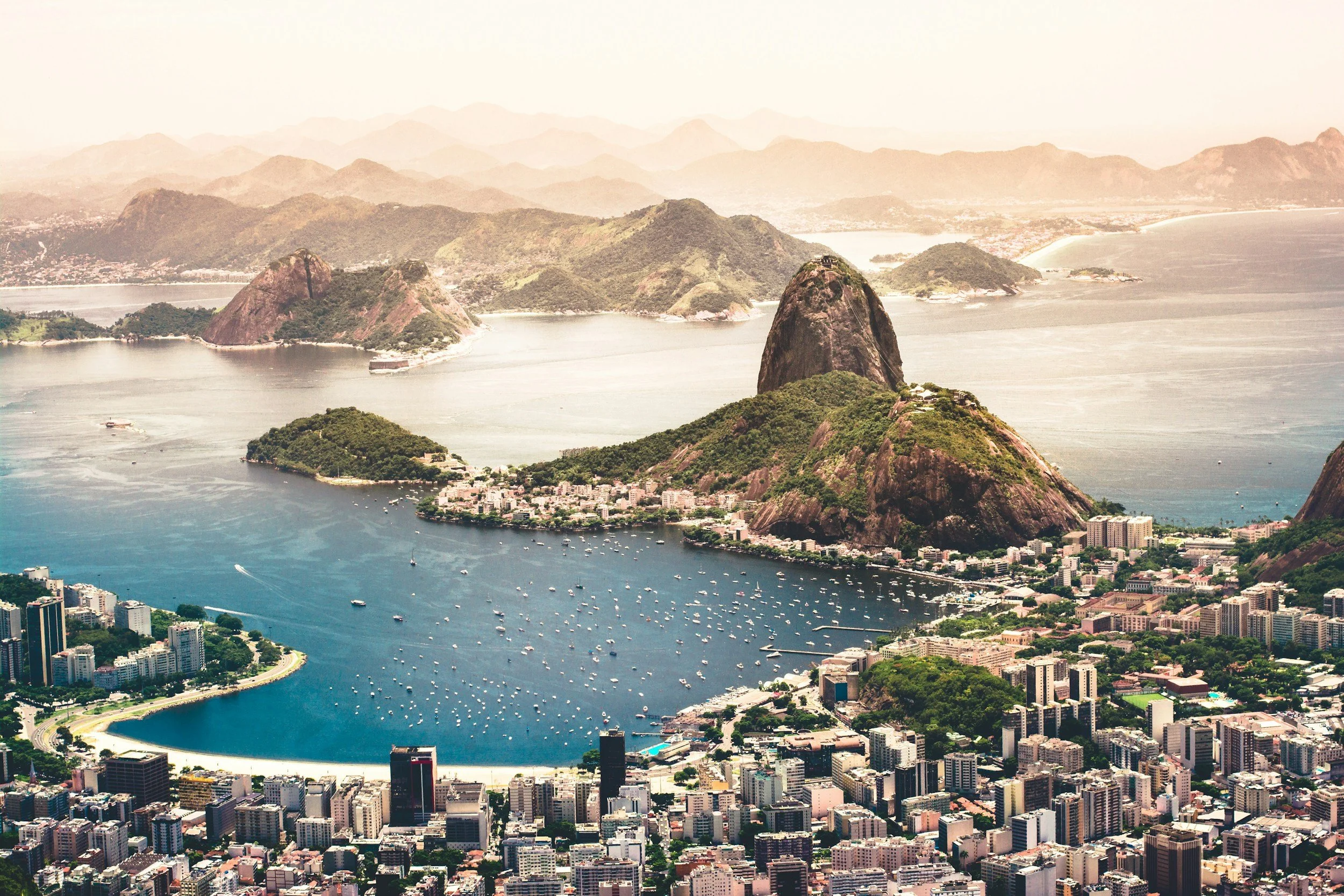
Brazil is a country the size of a continent and should be approached as one. Rio is the obvious anchor. The Pantanal offers the best jaguar tracking on earth, at sighting rates that surprise people who have done African safaris. The Bahian coast around Trancoso and Itacaré is where Brazilians themselves go, and the Amazon is more comfortably reached here than almost anywhere.
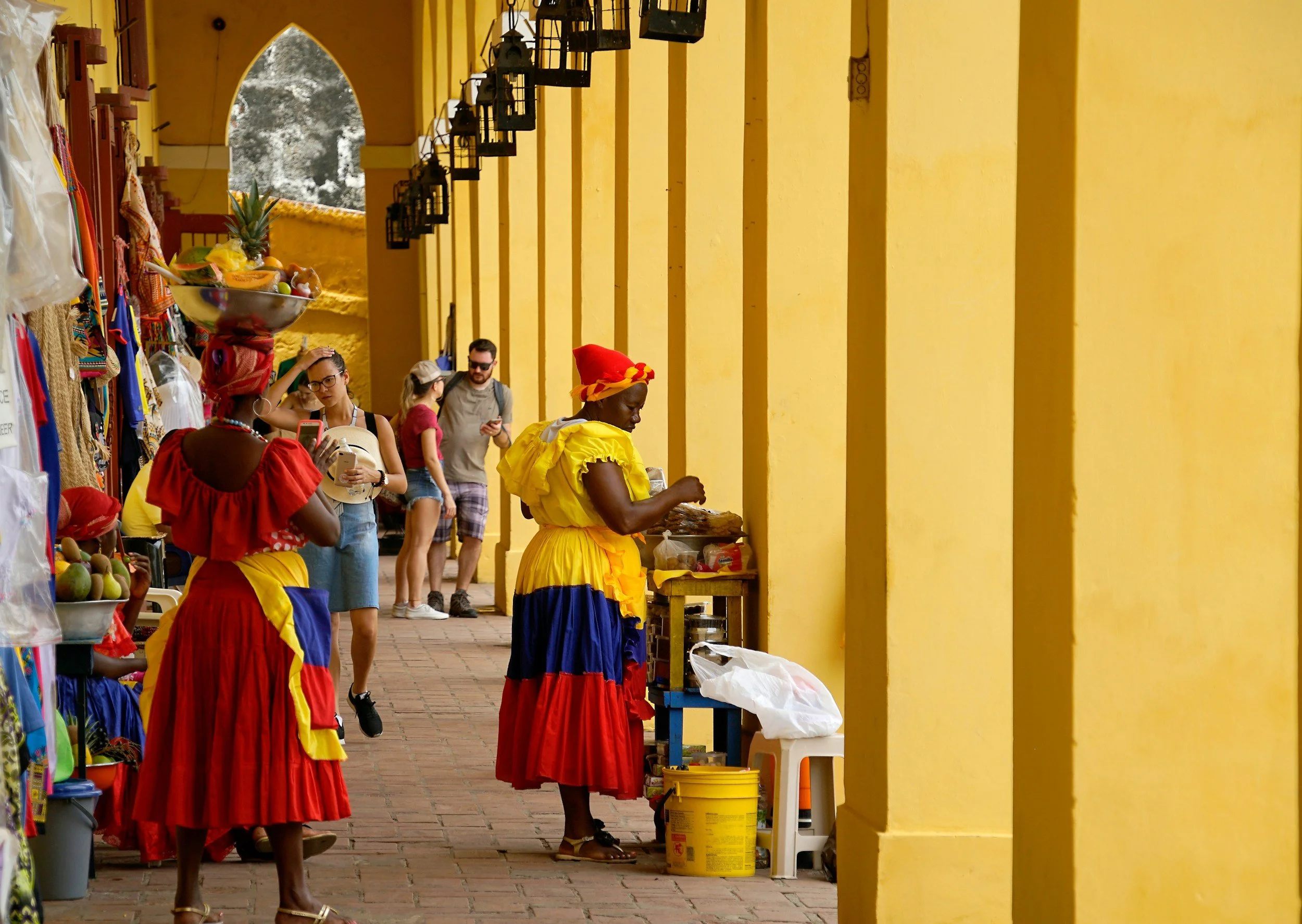
Colombia is the continent's most improved destination and the one clients are most curious about. Cartagena's walled city is the finest colonial town in the Americas, Bogotá and Medellín have serious food and art scenes, and the Coffee Region is beautiful and easy. We are direct with clients about the advisory position, which we cover in the questions below.
When is the best time to travel?
There is no continental answer, and the differences are larger than most people expect.
Peru's Andean dry season runs from May to September, which is the window for Cusco, the Sacred Valley and Machu Picchu. The Inca Trail closes each February for maintenance. Lima and the coast are warmest between December and April, and the Amazon is a year-round destination with high water from roughly December to May and low water from June to November.
The Galápagos work all year, and the question is which experience you want. From December to May the seas are calmer, the water warmer and the snorkelling better. From June to November the Humboldt current brings cooler, rougher conditions and noticeably more wildlife activity.
Patagonia, on both the Chilean and Argentine sides, is effectively a November to March destination. Many lodges close entirely outside that window. December to February is warmest and also windiest; March is quieter, calmer and for many people the better month.
The Atacama is open year-round, as is Colombia, which sits close to the equator and has no true seasons — though December to March and July to August are drier.
Brazil divides. Rio and the southern coast are hot and busy from December to March, with Carnival falling in February or March, and drier and more comfortable from May to October. The Pantanal is the sharpest case on this page: jaguar viewing is at its best in the dry months from July to October, when the animals concentrate along the rivers.
The point that most affects planning is this. Peru is a May-to-September country, Patagonia is a November-to-March one, and the Pantanal peaks between the two. Peru and the Pantanal combine well in July, August and September. Peru and Patagonia do not overlap neatly at all, and the workable compromises are the shoulder months at either end, roughly late March to April or October to November, accepting slightly less than perfect conditions in both.
Which journey is right for you?
If this is your first time in South America, Peru is where we would start, with Argentina and Chile the next most straightforward.
If you are travelling as a family, Peru, Ecuador and the Galápagos, and Argentina work well. Altitude is the main consideration in Peru and Bolivia, and we build the acclimatisation into the routing rather than leaving it to chance.
If it is a honeymoon or a milestone, Patagonia and the Atacama, or Rio followed by the Bahian coast, are the pairings we design most often.
If you are a returning traveller, the Pantanal, the Chilean fjords, Colombia's Coffee Region, the Bolivian salt flats and the Argentine estancias are where we would send you next.
And if your heart is set on a particular experience — Machu Picchu at first light, jaguars in the Pantanal, the Perito Moreno glacier, harvest in Mendoza, the Galápagos under sail — we build the journey around it.
What kind of journeys do we design?
Most take one of a few shapes. Single-country journeys of ten to fourteen days, which is what Peru, Argentina and Brazil each deserve. Andes-and-islands journeys combining Peru or Ecuador with the Galápagos. Patagonia journeys crossing between Chile and Argentina, sometimes by expedition vessel through the fjords. Wildlife journeys built around jaguars, the Galápagos or the Amazon. Wine journeys through Mendoza and the Chilean valleys. And city-and-coast journeys through Brazil or Colombia.
Where to stay
South America's best properties are small, owner-influenced and often all-inclusive, and the lodge groups matter more here than the international brands. Our relationships span Belmond, Aman-adjacent independents, Awasi, Explora, Inkaterra and the Beckons lodges, alongside the houses that are the reason a journey is remembered. These are properties we know, with a note on the traveller each tends to suit.
Peru
Palacio Nazarenas, A Belmond Hotel, Cusco, occupies a former convent with Inca foundations and oxygen-enriched suites, which matters more at 3,400 metres than it sounds. Belmond Hotel Monasterio, Cusco, sits in a sixteenth-century monastery next door and is the more traditional of the two. Inkaterra La Casona, Cusco, is a small colonial manor house on a private courtyard, and the quietest address in the city. Explora Valle Sagrado is an all-inclusive lodge in the Sacred Valley for travellers who want guided walking and riding built into the stay. Sol y Luna, also in the Sacred Valley, is a Relais & Châteaux property with its own foundation and school, and works particularly well for families. Rio Sagrado, A Belmond Hotel sits on the Urubamba River and is the gentler Sacred Valley option. Sanctuary Lodge, A Belmond Hotel is the only hotel at the gates of Machu Picchu, which buys you the citadel at dawn and dusk. Titilaka, on Lake Titicaca, has eighteen rooms on a private peninsula and is all-inclusive. Belmond Miraflores Park and Hotel B, in Barranco, are the two Lima addresses we use most, the first for the coastline and the second for the arts district. Inkaterra Reserva Amazónica is a canopy-walkway lodge in the southern Peruvian Amazon.
Ecuador and the Galápagos
Mashpi Lodge, in the Chocó cloud forest three hours from Quito, is a glass-and-steel lodge inside its own reserve, with a cable car and skybike through the canopy. Casa Gangotena, Quito, overlooks Plaza San Francisco in the old town and is the best base in the city. Hacienda Zuleta is a working sixteenth-century Andean estate, and the most characterful stay in the highlands. In the Galápagos, we work with small vessels rather than large ships. Aqua Mare is an Italian-designed superyacht; Origin, Theory and Evolve are Relais & Châteaux members carrying twenty guests each; Hermes is a twenty-guest catamaran launched in 2025. Finch Bay, on Santa Cruz, is the land-based alternative for families who would rather not sail.
Chile
Awasi Atacama gives every villa a private guide and vehicle, which in a desert this size changes the trip entirely. Tierra Atacama, part of the Beckons collection, is the stronger choice for design and spa. Explora Atacama is all-inclusive and built around a large programme of guided excursions. Explora Torres del Paine is the only lodge of this standard deep inside the national park, overlooking Lake Pehoé. Awasi Patagonia has fourteen villas on private land bordering the park, each with a dedicated guide and vehicle. Children over ten. Tierra Patagonia, also Beckons, sits above Lake Sarmiento and has the best spa in the region. The Singular Patagonia, near Puerto Natales, occupies a converted early twentieth-century cold-storage plant on the fjord, and is the most characterful building in Chilean Patagonia.
Argentina
Palacio Duhau – Park Hyatt, Buenos Aires, combines a 1934 Recoleta palace with a modern wing and the best gardens of any city hotel here. Alvear Palace, on the same avenue since 1932, is the grande dame. Four Seasons Buenos Aires wraps around the Mansión Alzaga Unzué and is the most consistent international option. Faena Buenos Aires, in a converted Puerto Madero grain silo, is Philippe Starck's and remains the most theatrical hotel in the city. Awasi Mendoza, formerly Cavas Wine Lodge, is a Relais & Châteaux property in the vineyards at the foot of the Andes, with the Awasi private-guide model. Eolo, near El Calafate, is a small estancia-style lodge and the natural Argentine Patagonia base. Explora El Chaltén puts you at the foot of Fitz Roy for the best trekking in the region. Awasi Iguazú is an all-inclusive lodge in rainforest near the falls, with private guiding. Llao Llao, Bariloche, is the classic lake-district hotel for the northern Patagonian lakes.
Brazil
Copacabana Palace, A Belmond Hotel, has anchored Rio since 1923 and is still the address in the city. Fasano Rio, in Ipanema, is the Starck-designed alternative and the better choice for a younger feel. Rosewood São Paulo occupies a restored maternity hospital and gardens, and is the most interesting hotel in the country. Hotel das Cataratas, A Belmond Hotel is the only hotel inside the Brazilian side of Iguaçu National Park, which gives you the falls before and after the crowds. Caiman, in the southern Pantanal, is a 53,000-hectare reserve running two lodges and one of the most respected jaguar conservation programmes in South America. Cristalino Lodge and Anavilhanas Jungle Lodge are the two Amazon options we use most, the first in the southern Amazon and the second on the Rio Negro. UXUA Casa Hotel, in Trancoso, sits on the Quadrado and is the most relaxed address on the Bahian coast. Txai Itacaré is the quieter beach alternative further south. Ponta dos Ganchos, near Florianópolis, is a small all-villa resort for couples. Six Senses Botanique, in the mountains at Campos do Jordão, is the country's wellness address.
Colombia
Casa San Agustín, Cartagena, spreads across three restored houses inside the walled city and is the most refined stay in the country. Casa Pestagua, also within the walls, is a Relais & Châteaux property in a restored colonial mansion. Hotel Las Islas, on the Barú peninsula, is the beach counterpart an hour from Cartagena. Four Seasons Casa Medina, Bogotá, is a 1945 landmark building and the most characterful base in the capital.
Your journey starts with a conversation
Tell us what you are hoping for, whether that is Peru and the Galápagos over two weeks, Patagonia from both sides, jaguars in the Pantanal, or something you have been putting off for years. We will listen, ask the right questions, and design something built entirely around you.
FAQ
Which country is best for a first visit to South America? Peru, in most cases. It combines the strongest single site on the continent with excellent hotels, short internal flights and a food scene that surprises people. Argentina and Chile are the other two we suggest regularly, particularly for travellers drawn more to landscape and wine than to archaeology.
How long do you need? Ten to fourteen days for a single country, and around three weeks for a two-country journey such as Peru with the Galápagos, or Chile with Argentina. Distances are considerable and internal flights often route through the capital, so itineraries with more than four bases in a fortnight rarely work as well as they read.
When is the best time to travel? It depends entirely where. Peru's Andes are best from May to September, Patagonia from November to March, and the Pantanal from July to October. The Galápagos and Colombia work year-round. Because the seasons genuinely conflict, we usually build the journey around whichever destination matters most and let the rest follow.
Is Colombia safe to visit? The US State Department places Colombia at Level 3, "Reconsider Travel", as of March 2026, with Level 4 "Do Not Travel" designations for the departments of Arauca, Cauca excluding Popayán, Valle del Cauca excluding Cali, and Norte de Santander, along with the Venezuelan border region. Cartagena, Bogotá, Medellín and the Coffee Region — the destinations we work with — are well outside those areas and receive very large numbers of international visitors each year. We do not send clients to the restricted departments, we use private drivers and vetted guides throughout, and we will always give you our honest current reading before you commit.
Do we need to worry about altitude in Peru? It is worth planning for rather than worrying about. Cusco sits at around 3,400 metres, higher than Machu Picchu itself. We routinely route clients into the Sacred Valley first, which is roughly 600 metres lower, and build in a gentle first day. Several Cusco hotels offer oxygen-enriched rooms.
Is the Galápagos better by ship or from a hotel? By ship, for most travellers. A small vessel reaches the outer islands overnight and lands you at the best visitor sites early, while a land base restricts you to day trips from the inhabited islands. We use vessels carrying around twenty guests. A hotel base can be the better answer for families with young children or anyone uneasy at sea.