
South Asia & the Himalaya
India, Sri Lanka, Nepal and Bhutan sit close together on a map and feel nothing alike on the ground. We design private, tailor-made journeys across all four, from Rajasthan's palace cities and the tiger reserves to Sri Lanka's tea country, the Annapurnas and the monastery valleys of Bhutan. They share a monsoon and very little else, which is why the sequence and the season matter more here than almost anywhere.
Is it worth using a travel designer for a journey through South Asia?
More than for most destinations. This is a part of the world where the difference between a good trip and a memorable one is rarely the hotel. It is the guide who knows which gate of a fort opens first, the permit secured months ahead for a gorge or a monastery festival, the decision to spend four nights in Udaipur rather than two nights each in Udaipur and Jodhpur.
There is a practical dimension too. Internal flights are frequent and occasionally fragile, road journeys take longer than the distances suggest, and the four countries run on weather patterns that contradict each other within the same month. Getting the order right is not a matter of taste. In Nepal it determines whether you see the mountains at all.
Where should you go?
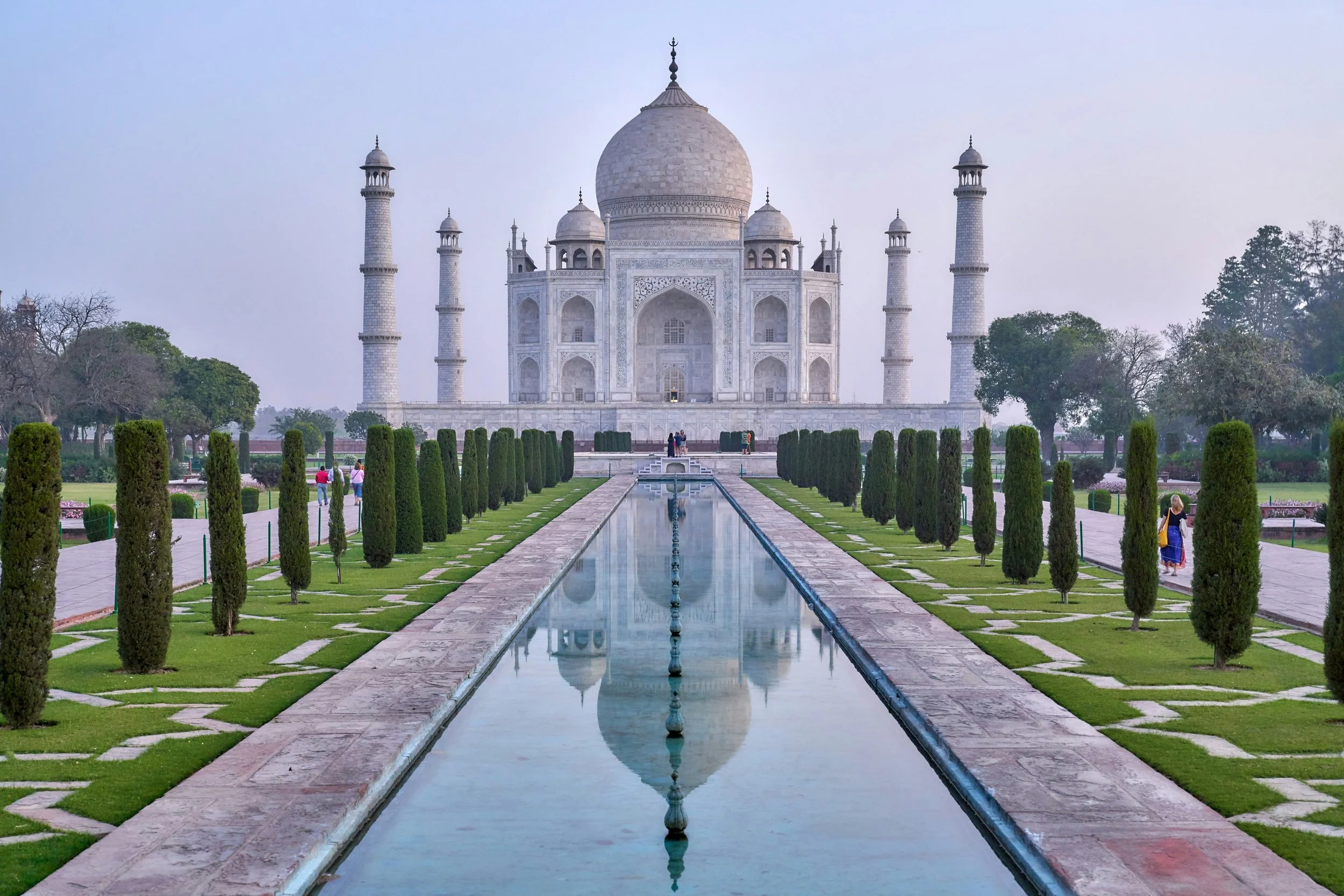
India is the one of the most rewarding and the most demanding country we work with. Rajasthan's palace cities, the Taj Mahal at first light, Kerala's backwaters and tea hills, tiger tracking in Ranthambore, and the Himalaya in the far north are effectively several countries in one. India is best approached slowly and with an excellent guide, and it repays that patience like nowhere else. It suits curious, resilient travellers, and returning visitors who want to go deeper rather than wider.
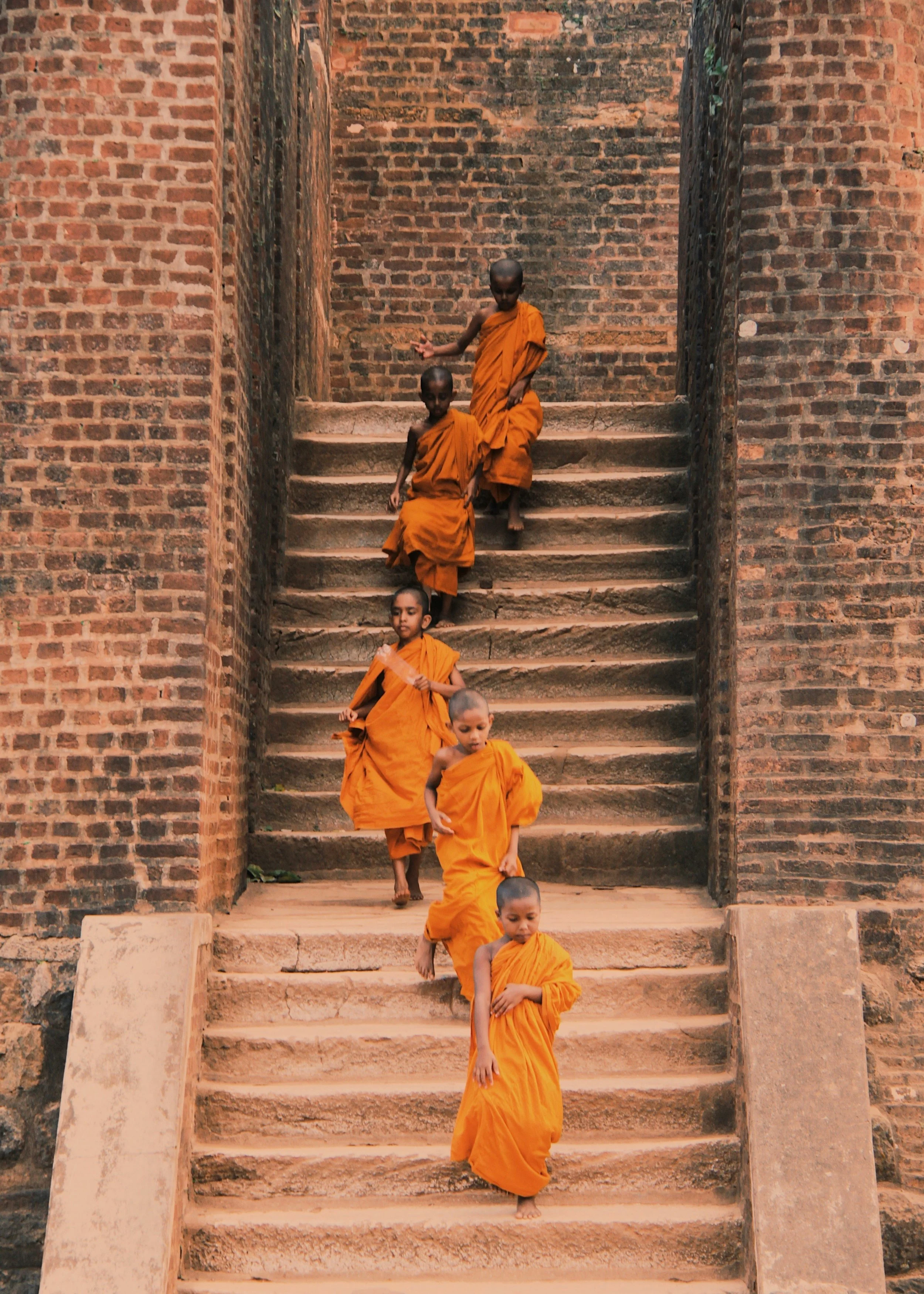
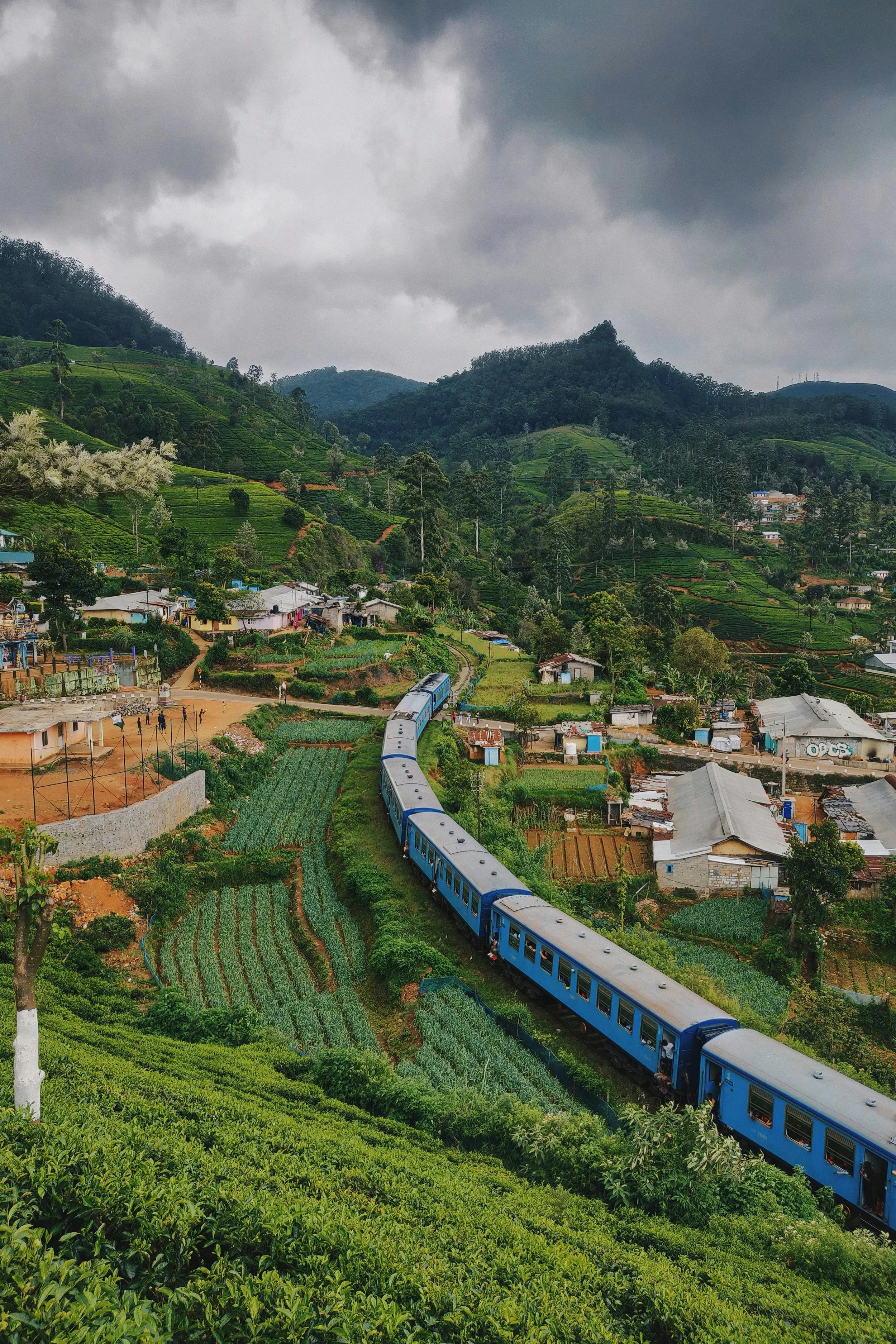
Sri Lanka is the most efficient country in the region for variety. In ten days you can move from Galle Fort to the cultural triangle at Sigiriya, up into the tea country by train, out to Yala for leopards, and down to the coast. Driving distances are long but rewarding; to make the trip more comfortable, we recommend private charters. It suits families, first-time visitors to South Asia, and anyone wanting culture and beach in a single journey.
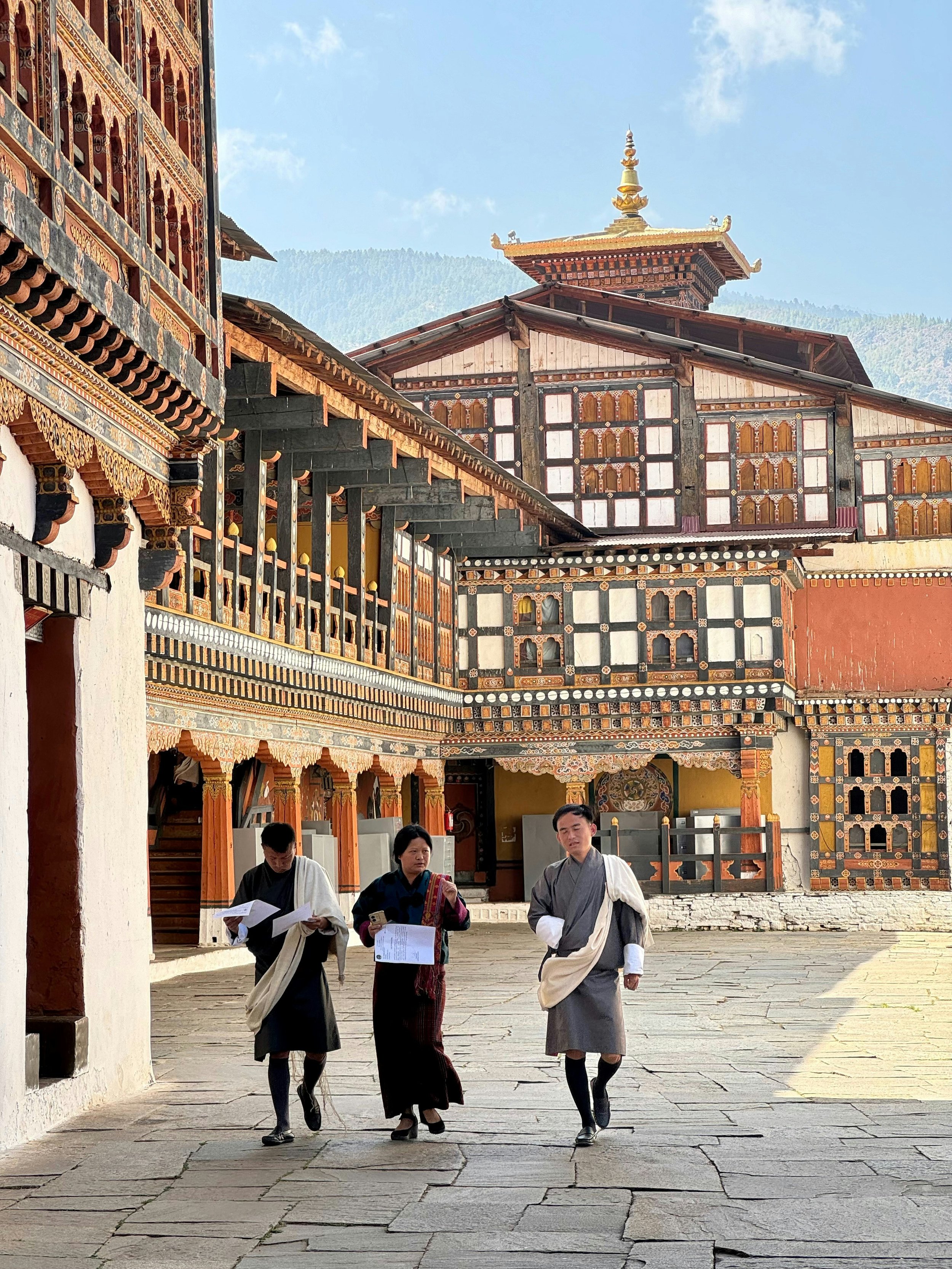
Bhutan is the antidote to hurry. The Kingdom controls tourism deliberately through a daily Sustainable Development Fee, which keeps numbers low and the experience intact. Days are spent walking between dzongs and monasteries in the western valleys, culminating in the climb to Tiger's Nest. It suits travellers who want quiet, authentic, culture and altitude, and it pairs naturally with Nepal or northern India.
Nepal offers the Himalaya without a serious expedition. From Kathmandu's temple squares you can fly to Pokhara and on to Mustang, the former forbidden kingdom in the rain shadow behind the Annapurnas, or drop south to Chitwan for rhino and tiger. Helicopter access has changed what is possible here for travellers who have no intention of trekking for a fortnight.
When is the best time to travel?
The monsoon governs all four countries, but not identically.
For most of India, October to March is the travelling season, with the coolest weather from December to February. There is a useful counterpoint worth knowing: the tiger reserves offer the best sightings in the hot months of April, May and June, when the animals are drawn to shrinking water. The ideal month for wildlife is therefore not the ideal month for everything else, and we plan around whichever matters more to you. June to September is the Monsoon season, heavy rainfall affects much of the country, particularly Kerala, Goa and Mumbai. While this is not the ideal time for first-time visitors seeking sightseeing, it is a wonderful season for lush landscapes, Ayurveda retreats and fewer crowds.
Nepal's clearest mountain views come in October and November, and again in March and April. The monsoon runs from June to September, when the peaks are often invisible for days.
Bhutan is at its best in spring from March to May and autumn from late September to November, which is also when the major tsechu festivals fall. Winter is cold but clear and quiet; the summer months bring rain to the valleys.
Sri Lanka has two opposing monsoons, and this is the detail that most often derails a badly planned trip. The southwest monsoon affects the west coast, south coast and hill country from roughly May to September. The northeast monsoon affects the east and north from roughly October to January. In practice, December to March suits the south and west, while April to September suits the east coast. The island is a year-round destination, but only if you go to the right side of it.
Which journey is right for you?
If this is your first time in the region, we usually point you to Sri Lanka for the variety within short distances, or to Rajasthan for the scale and the palaces.
If you are travelling as a family, Sri Lanka is the most straightforward, with short internal journeys and enough variety to hold different ages. In India, Rajasthan works well with the right properties and a slower pace.
If it is a honeymoon or a milestone, Udaipur and the Rajasthani palaces are hard to better, and a journey through India or Sri Lanka extends naturally to the Maldives for a closing week.
If you are a returning traveller, Bhutan, Mustang in northern Nepal, Kerala and the Himalayan foothills are where we would send you next.
And if your heart is set on a particular experience, tiger tracking, a monastery festival, the tea trains, leopards at Yala, a walking journey between Bhutanese valleys, we build the whole journey around it.
What kind of journeys do we design?
Most take one of a few shapes. Single-country journeys of ten to fourteen days, which is what India and Sri Lanka genuinely deserve. Himalayan pairings, most often Bhutan with Nepal, or either with a few days in Delhi. Wildlife journeys built around tigers, leopards or rhino. Culture-and-coast journeys through Sri Lanka that end by the sea. And longer combinations that finish in the Indian Ocean.
Where to stay
India in particular holds some of the finest hotel-keeping in the world, and the choice matters more here than the marketing suggests. Our relationships span Oberoi, Taj, Aman, Six Senses and the independent houses that are often the reason a journey is remembered. These are properties we know, with a note on the traveller each tends to suit.
India
The Oberoi Udaivilas, Udaipur, is a Mewar-inspired palace on Lake Pichola and the most complete expression of Indian hotel-keeping at scale. Taj Lake Palace, Udaipur, is reached only by boat and is unmatched for romance, though the rooms are smaller. Rambagh Palace, Jaipur, is the former royal residence and the grandest way to begin Rajasthan. The Oberoi Rajvilas, Jaipur, is a fort-like retreat in thirty-two acres of garden, well suited to families. The Oberoi Amarvilas, Agra, sits six hundred metres from the Taj Mahal, with the monument visible from every room. Amanbagh, in rural Rajasthan, is a contemporary Mughal-inspired retreat for travellers who want quiet between the cities. Six Senses Fort Barwara occupies a restored fourteenth-century fort near Ranthambore and is the strongest wellness address in the state. Aman-i-Khás is a ten-tent camp at Ranthambore, for tiger tracking without compromise. SUJÁN Jawai is a small tented camp among granite outcrops, built around leopard tracking, and one of the most distinctive stays in India. Umaid Bhawan Palace, Jodhpur, remains in part a working royal residence and is the most theatrical palace stay in the country. Raffles Udaipur sits on a private island, for travellers wanting a contemporary alternative to the heritage palaces. The Oberoi Vanyavilas, Ranthambore, is a tented lodge that works well for families combining wildlife with Rajasthan. Six Senses Vana, in the Himalayan foothills at Dehradun, is a serious residential wellness retreat rather than a spa hotel.
Sri Lanka
Amangalla occupies a 1684 building inside Galle Fort and is the most atmospheric heritage stay on the island. Amanwella, near Tangalle, has thirty suites in a coconut grove above a long beach, each with a private plunge pool. Cape Weligama, a Relais & Châteaux member in the Resplendent Ceylon collection, sits on a cliff above the south coast and suits couples wanting scenery with somewhere to go nearby. Ceylon Tea Trails is a set of restored planters' bungalows on working tea estates in the hill country, and the most characterful way to see the highlands. Wild Coast Tented Lodge, at Yala, is the design-led choice for leopard tracking. Uga Chena Huts, also at Yala, is smaller at fourteen cabins and more classically safari in feel. Santani, near Kandy, is the island's dedicated wellness retreat.
Bhutan
Amankora operates five lodges across Paro, Thimphu, Punakha, Gangtey and Bumthang, and effectively invented the lodge-to-lodge journey here. Gangtey, at eight suites, is the most intimate. Six Senses Bhutan mirrors that circuit with five lodges and the most comprehensive wellness facilities in the country. COMO Uma Paro and COMO Uma Punakha cover the western valleys and are the most accessible entry point at this level. Gangtey Lodge, an independent twelve-suite house in the Phobjikha Valley, is the connoisseur's choice, particularly during the black-necked crane season from late October. Pemako Punakha is the newest of the group, with tented villas for travellers wanting wilderness without losing comfort.
Nepal
Dwarika's Hotel, Kathmandu, is built around a collection of rescued Newari woodcarving and is the city's most distinctive address. Dwarika's Resort Dhulikhel sits in the foothills outside the valley and works well as a quiet opening or closing night. Shinta Mani Mustang, at Jomsom in Lower Mustang, is a twenty-nine-suite Bill Bensley lodge and the only property of its kind in the region. Access is by flight from Pokhara or by helicopter, and the all-inclusive programme runs to five nights. The Happy House, at Phaplu in the Solu Khumbu, is a ten-room Sherpa family house restored as a lodge, with thangka-painted walls, open fires and a yoga and meditation room in a pine garden above the village. Sir Edmund Hillary stayed here at length while working on the hospital nearby, and the same family still runs it. It is reached by fixed-wing flight or helicopter from Kathmandu, and takes exclusive-use bookings well.
Your journey starts with a conversation
Tell us what you are hoping for, whether that is a first journey through Rajasthan, ten days in Sri Lanka with children, the Himalaya without a trek, or something you have been putting off for years. We will listen, ask the right questions, and design something built entirely around you.
FAQ
Which country is best for a first visit to South Asia? Sri Lanka is the one we recommend most often for a first journey. It offers a great deal of variety, the logistics are forgiving, and it works well for families. India is the more profound experience, and we would suggest starting with Rajasthan and a good guide rather than attempting too much of the country at once.
When is the best time to travel? Broadly, October to March for India, Nepal and Bhutan. If tigers are the priority in India, the hot months of April to June are the strongest for sightings. Sri Lanka is a year-round destination because it has two opposing monsoons, so the question there is which coast rather than which month.
How long do you need? For India or Sri Lanka, we would suggest ten to fourteen days as a minimum to travel at the right pace. Bhutan needs at least seven to justify the journey, and pairs well with Nepal over two weeks. The most common regret we hear is not that a trip was too short, but that it tried to include too much.
Is a journey here suitable for families with children? Yes, with the right planning. Sri Lanka is the most straightforward. In India and Nepal, we choose properties that genuinely accommodate children and build in a slower pace. Some camps and lodges have minimum age policies, so we match the properties to your children's ages.
Can this be combined with a beach at the end? Yes, and it is one of the pairings we design most often. Sri Lanka has its own coastline, and journeys through India or Sri Lanka extend naturally to the Maldives. We cover those options on our Indian Ocean and island escapes page.